

The rapid expansion of digital payments has transformed the global economy. Consumers can now purchase products, pay bills, transfer money, and manage prozone cc finances through online platforms with just a few clicks. While this convenience has improved everyday financial activities, it has also created new opportunities for cybercriminals to target sensitive information.
Among the many cybersecurity challenges facing the digital world, payment card fraud remains one of the most persistent threats. References to carding platforms such as Prozone CC highlight a broader issue: the illegal trade and misuse of stolen financial information. Although specific platforms and criminal networks constantly change, the risks associated with compromised payment data continue to affect individuals, businesses, and financial institutions worldwide.
Understanding why carding activities remain a cybersecurity concern helps organizations and users recognize threats, improve security practices, and take proactive steps to protect sensitive information.
Understanding Carding and Digital Payment Fraud
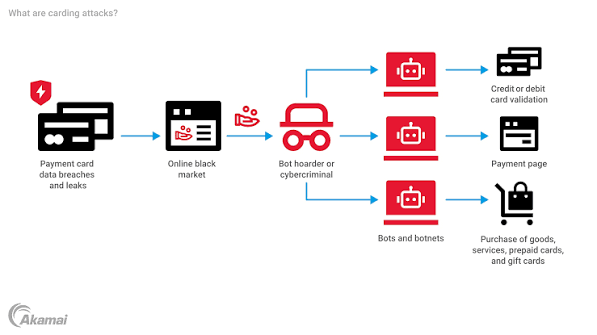
Carding refers to the misuse of stolen payment card information to conduct unauthorized transactions or commit financial fraud. Cybercriminals obtain card details through various illegal methods and attempt to exploit this information for financial gain.
Payment card information may include:
- Card numbers
- Cardholder names
- Expiration dates
- Security codes
- Billing information
When this information is exposed, victims may face unauthorized purchases, identity theft, account compromise, and financial disruption.
Carding is not only a problem for individual consumers. Businesses that process payments also face serious consequences when customer data is compromised.
Why Carding Platforms Create Security Risks
Carding platforms represent a major cybersecurity concern because they contribute to the wider ecosystem of financial crime. These platforms may allow criminals to exchange stolen information, discuss fraudulent activities, or distribute tools used for cyberattacks.
The existence of such platforms creates several risks:
Increased Availability of Stolen Data
When payment information is exposed through breaches or scams, criminals may attempt to trade or misuse that information. This increases the likelihood of fraud against affected individuals.
Encouraging Cybercrime
Online communities that support illegal financial activities can make cybercrime easier to organize and expand.
Greater Challenges for Law Enforcement
The anonymous nature of some online environments can make investigations more complex, requiring cooperation between cybersecurity experts, financial institutions, and law enforcement agencies.
How Payment Card Information Gets Compromised
Cybercriminals use different techniques to obtain payment information. Many attacks succeed because of weak security practices or human error.
Phishing Attacks
Phishing remains one of the most common methods used to steal sensitive information.
Attackers may create fake:
- Emails
- Websites
- Text messages
- Customer support messages
These attempts often imitate trusted organizations and encourage users to provide account credentials or payment details.
Data Breaches
Organizations store large amounts of customer information, making them attractive targets for attackers.
A successful data breach may expose:
- Payment records
- Personal information
- Login credentials
- Customer databases
Strong cybersecurity controls are essential for preventing unauthorized access.
Malware
Malicious software can infect computers and mobile devices, allowing attackers to collect sensitive information.
Malware may:
- Steal saved browser information
- Monitor user activity
- Capture login credentials
- Access confidential files
Keeping devices updated and protected helps reduce malware-related risks.
Social Engineering
Cybercriminals often manipulate people into revealing confidential information.
Social engineering attacks rely on trust, urgency, or fear rather than technical methods alone.
Examples include fake:
- Bank representatives
- Customer support agents
- Delivery services
- Government officials
Awareness is one of the strongest defenses against these tactics.
The Impact of Carding Activities
Carding activities create consequences that extend beyond immediate financial losses.
Financial Damage
Unauthorized transactions can result in financial losses for consumers and businesses. Although many financial institutions provide fraud protection, preventing fraudulent activity remains a priority.
Identity Theft
Payment information combined with personal data can be used to impersonate victims or gain access to additional accounts.
Business Reputation Damage
Companies affected by payment security incidents may experience:
- Loss of customer trust
- Increased security costs
- Operational disruption
- Regulatory challenges
Maintaining strong security practices is essential for protecting business reputation.
Why Cybersecurity Awareness Is Essential
Technology plays a major role in defending against cybercrime, but human awareness remains equally important.
Cybersecurity awareness helps users:
- Recognize suspicious messages
- Avoid unsafe websites
- Protect account credentials
- Respond quickly to security concerns
- Make safer online decisions
Many cyberattacks succeed because attackers exploit human behavior. Educated users are better prepared to identify and avoid threats.
Security Technologies That Help Prevent Payment Fraud
Modern payment systems use multiple security layers to reduce the risk of fraud.
Encryption
Encryption protects sensitive information by converting readable data into a secure format.
During online transactions, encryption helps protect:
- Payment card numbers
- Personal information
- Account details
Even if data is intercepted, encrypted information is difficult to use without proper authorization.
Tokenization
Tokenization replaces sensitive payment information with randomly generated digital tokens.
Instead of storing actual card numbers, businesses store tokens that do not reveal the original financial data.
Benefits include:
- Reduced exposure of payment information
- Lower risk during data breaches
- Improved transaction security
Multi-Factor Authentication
Multi-Factor Authentication (MFA) adds an additional layer of account protection.
Users may verify their identity through:
- Passwords
- Security codes
- Authentication apps
- Fingerprint recognition
- Facial recognition
MFA reduces the chances of unauthorized access even if login credentials are compromised.
Artificial Intelligence Fraud Detection
Financial institutions increasingly use artificial intelligence to identify suspicious transactions.
AI systems analyze factors such as:
- Transaction patterns
- Device information
- User behavior
- Geographic location
- Spending habits
When unusual activity is detected, systems can request additional verification or block potentially fraudulent transactions.
Protecting Consumers From Payment Fraud
Individuals can take several steps to reduce their exposure to card fraud.
Use Strong Passwords
Create unique passwords for every account and avoid reusing the same password across multiple services.
Password managers can help users maintain secure credentials.
Enable Multi-Factor Authentication
Whenever available, MFA should be enabled for financial accounts, shopping platforms, and email services.
Monitor Accounts Regularly
Users should review:
- Bank statements
- Credit card activity
- Digital wallet transactions
- Account login notifications
Early detection can help prevent larger problems.
Be Careful Online
Consumers should:
- Avoid suspicious links
- Verify websites before entering information
- Avoid sharing sensitive details unnecessarily
- Download applications only from trusted sources
Small precautions can significantly improve online security.
Responsibilities of Businesses
Organizations that process payment information have a responsibility to protect customer data.
Important security practices include:
PCI DSS Compliance
The Payment Card Industry Data Security Standard (PCI DSS) provides security requirements for businesses handling payment card information.
Organizations should:
- Protect stored payment data
- Encrypt sensitive information
- Restrict access
- Monitor systems
- Perform regular security testing
Employee Training
Employees should receive cybersecurity training to recognize phishing attempts, handle sensitive information correctly, and report suspicious activity.
Security Monitoring
Continuous monitoring helps organizations detect:
- Unauthorized access attempts
- Suspicious transactions
- Malware activity
- Data transfer anomalies
Quick detection allows faster response to potential incidents.
The Future of Payment Security
As digital payments continue to expand, cybersecurity strategies will continue evolving.
Future security developments may include:
- Advanced artificial intelligence detection
- Improved biometric authentication
- Behavioral security analysis
- Stronger encryption technologies
- Passwordless authentication systems
The goal is to create payment systems that are both secure and convenient for users.
Conclusion
Carding platforms like Prozone CC represent a larger cybersecurity challenge: the ongoing threat of payment information theft and digital fraud. While criminal platforms may change over time, the risks associated with stolen financial data remain a serious concern for individuals, businesses, and financial institutions.
Protecting against these threats requires a combination of advanced technology, responsible user behavior, and strong organizational security practices. Encryption, prozone.st tokenization, Multi-Factor Authentication, fraud detection systems, and cybersecurity awareness all contribute to safer digital transactions.
As the digital economy continues to grow, cybersecurity must remain a shared responsibility. By understanding the risks, adopting secure practices, and investing in modern protection methods, society can reduce the impact of payment fraud and build a safer online financial environment.
