

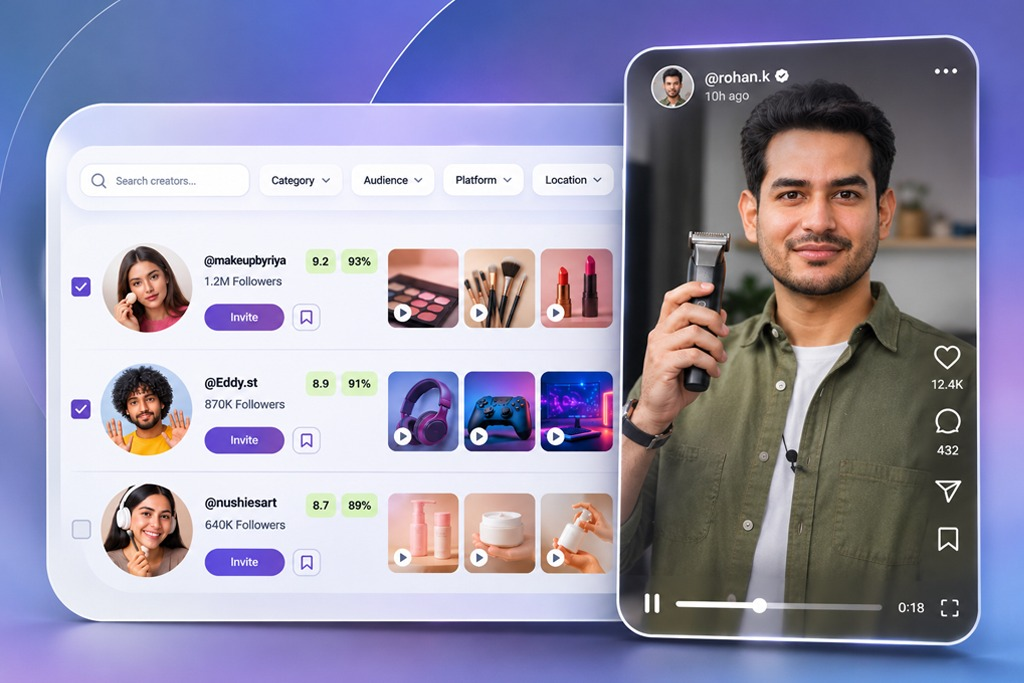
Influencer marketing has become an established part of how brands communicate with consumers. Social media creators help businesses introduce products, share brand stories and participate in conversations that already matter to their audiences. However, as campaigns expand across platforms and creator communities, managing these collaborations requires more than simply finding someone with a large following.
This is where an influencer marketing agency can add value. From identifying suitable creators to coordinating content and evaluating campaign outcomes, agencies help brands bring structure to their influencer partnerships. Their growing role raises an important question: are they becoming essential to modern brand strategies?
Why Influencer Marketing Has Become More Complex
Brands today have access to creators across various platforms, content categories and audience groups. This creates more opportunities for collaboration, but also adds to the complexity of campaign planning.
Audience relevance, creator credibility, content formats, platform preferences and campaign goals are all factors that businesses must take into account. For instance, a creator with a massive following may not be the right choice for every brand. Likewise, when multiple creators are involved, communication, consistent messaging and coordination are important.
These are all factors that need to be considered when developing an influencer marketing strategy and aligning creator partnerships with broader business objectives.
Consequently, brands are seeking specialised support to manage the process effectively.
How Influencer Agencies Support Modern Brand Strategies
An influencer agency can help a business manage various stages of a creator-led campaign. The level of involvement may vary depending on the services provided by the agency, the size of the campaign and the brand’s requirements.
1. Finding Relevant Creators
One of the most crucial aspects of influencer marketing is creator discovery. Agencies help brands find potential partners based on audience demographics, content categories, location and campaign goals.
This enables businesses to look beyond follower numbers and focus on whether a creator’s audience and communication style align with their brand.
2. Planning Campaigns Around Business Goals
Influencer collaborations work best when they have a clear goal. A campaign to promote a new product will need a different strategy from one designed to raise brand awareness or drive traffic to a website.
Agencies can assist in turning these goals into campaign plans, including creator selection, content formats, messaging and publishing schedules.
3. Coordinating Creator Collaborations
There are several moving parts involved in working with multiple creators. Content needs to be planned, scheduled, approved and coordinated throughout the campaign.
Influencer campaign management helps bring these activities together. Depending on the scope of the engagement, agencies can coordinate communication with creators, content submissions, revisions and publishing schedules.
4. Maintaining Creative and Brand Alignment
Content created by influencers should feel authentic while conveying the brand’s message. Agencies can help establish creative guidelines and campaign expectations without making every collaboration feel the same.
This balance is especially important when brands collaborate with creators across different content formats or geographic regions.
Why Brands Are Working with Influencer Agencies in India
The creator economy in India encompasses influencers from diverse linguistic backgrounds, locations and interest areas. Depending on the audiences they want to reach, brands can partner with creators in metropolitan cities, emerging markets and smaller communities.
For businesses considering influencer agencies in India, this creates an opportunity to plan campaigns around more specific consumer segments.
A regional food brand might seek out creators with knowledge of the local food scene and cultural preferences, for instance. Beauty companies could be particularly interested in creators who specialise in skincare or product experiences. An agency familiar with these categories can help identify suitable partners and coordinate collaborations based on campaign requirements.
However, the right agency depends on the brand’s goals. When selecting a partner, businesses should consider industry experience, creator networks, previous campaigns, communication processes and the services provided.
Are Influencer Agencies Necessary for Every Brand?
Not necessarily. Smaller businesses that engage in occasional collaborations might be able to handle creator partnerships on their own, especially if they have defined goals and are already in touch with creators.
As campaigns grow in frequency or involve more creators, platforms and markets, however, external assistance can be helpful. An agency can assist with coordination, maintaining consistency and managing operational requirements.
The choice should be based on campaign complexity, internal resources and the expertise available within the business. Working with an agency does not guarantee better results. Clear objectives, suitable creators and effective execution remain important.
Measuring the Value of Influencer Agency Partnerships
An agency partnership should be evaluated against the initial goals of the campaign. Reach, impressions and engagement are metrics that can help brands understand content visibility and audience response.
If the campaign is intended to drive specific actions, website clicks, enquiries, leads and conversions may be more useful measures. Businesses should also consider whether they are reaching the target audience and communicating the brand message effectively.
Consistent performance monitoring can help identify what is working and where adjustments may be needed for future campaigns.
The Evolving Role of Influencer Agencies
Influencer agencies are becoming valuable partners as brands navigate an increasingly diverse creator landscape. Their role extends beyond creator discovery to campaign planning, coordination and performance evaluation.
Platforms like Talentrack help brands discover influencer agencies and explore based on their project requirements. As influencer marketing continues to evolve, businesses will need to choose the right combination of internal capabilities, agency expertise and creator partnerships to support their wider marketing goals.
Ultimately, influencer agencies are not essential for every campaign, but their expertise can make increasingly complex creator collaborations easier to plan and manage.
