

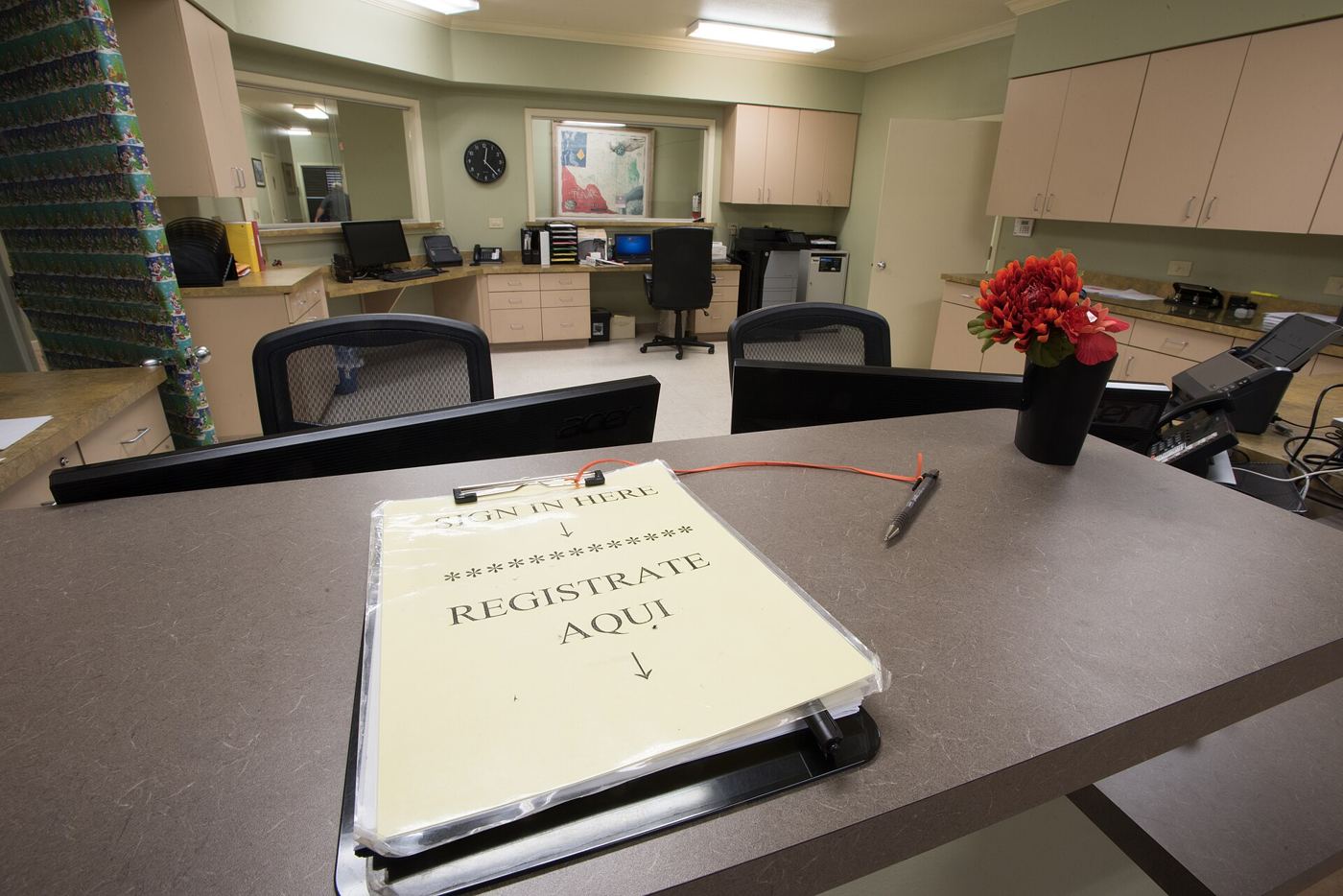
Community clinics are extending their vaccination sessions into the evening this season, making it easier for working adults to protect themselves without taking time off or queuing during crowded daytime clinics. The extra sessions cover seasonal flu and other routine adult vaccinations, with appointments bookable by phone or online and a limited number of walk in places held back each evening for people whose shifts change at short notice. Clinic managers say uptake among working age adults has lagged behind other groups for years, not because of opposition but because clinic hours and working hours collide for anyone who cannot easily leave a job midday. Evening opening also spreads demand more evenly, shortening waits for older patients who prefer daytime visits and reducing the pressure on reception staff answering phones at peak times. Nurses running the sessions use the quieter pace to answer questions properly, check records for missed vaccinations and remind patients about screening invitations they may have overlooked. Employers in the area have been asked to share session times with staff, and several larger workplaces now display clinic posters alongside their own winter health guidance for employees across the district this year.
What the Evidence Shows
Health teams are watching whether the evening pattern changes who comes forward, particularly younger men and shift workers who historically appear least in vaccination statistics. Early sessions suggest it does, with reception staff reporting many patients saying they had intended to book for weeks and simply never found a daytime gap. Clinics are careful to keep the service unhurried, because a rushed vaccination visit that ignores questions can put people off returning for boosters or bringing family members later. Records are updated on the spot, so GP practices see the same information the next morning and nobody is vaccinated twice by mistake. If demand holds, managers hope to keep at least one late evening every week beyond the seasonal peak, extending the model to blood pressure checks and other simple preventive appointments. The wider lesson, they argue, is that public health services often work better by fitting around ordinary working lives rather than expecting ordinary lives to rearrange themselves. Small timetable changes, honestly evaluated, can reach people that years of leaflets never quite managed to reach at all. Patients are also reminded that vaccination records travel with them, so moving house or changing practice does not erase the protection that one well timed evening visit quietly provides for the seasons ahead. Reporting and analysis from sources such as Reuters track the same developments, and specialists following clinics extend evening vaccination sessions say the direction is now consistent across independent lines of evidence.
The Wider Context
The wider context is a public conversation conducted at a speed institutions were not built for. Developments around clinics extend evening vaccination sessions are announced, contested and revised within a single news cycle, and the officials involved have learned to publish evidence alongside claims so that scrutiny can actually occur. Trust, the polling suggests, follows that transparency more than it follows confidence.
What Happens Next
What happens next in the story of clinics extend evening vaccination sessions will be decided in the places where it is being implemented, measured and argued about in public. The officials and organisations involved have committed to publishing progress data, and that commitment gives residents, businesses and journalists something firmer than promises to judge. The next milestones are dated, which means they can be checked. You can follow related developments in our coverage of news.
