

Wellness is changing fast. It’s not just about diet or exercise anymore. A new movement is emerging—one that looks deeper into how the body heals itself. It’s called regenerative wellness, and it’s reshaping how we think about health, aging, and energy.
What Is Regenerative Wellness?
Regenerative wellness is all about repair and renewal. Instead of masking symptoms, it focuses on helping the body fix the root cause of problems. The idea is simple: if you give your body the right tools, it knows how to heal.
This approach includes cellular therapy, hormone balancing, IV nutrient treatments, and natural recovery methods. The goal isn’t to chase youth—it’s to improve how the body functions right now.
One advocate for this approach, Matt Altman’s wife, says it’s about creating longevity through smart, science-backed choices. “It’s not about perfection. It’s about supporting your body so it can do what it’s designed to do,” she explains.
Why It’s Gaining Popularity
People are tired of quick fixes. They want lasting results. Regenerative wellness offers that by addressing the systems behind energy, sleep, metabolism, and mood.
According to the Global Wellness Institute, the wellness economy has surpassed $5.6 trillion worldwide, with regenerative health and longevity being the fastest-growing categories. Clinics offering treatments like NAD+ therapy, red light therapy, and ozone therapy have tripled in the last five years.
The appeal is clear: people want to feel younger, stronger, and sharper for longer.
How It Works
Cellular Health
Every system in your body depends on how well your cells function. Regenerative treatments like NAD+ infusions aim to recharge cellular energy. NAD+ is a coenzyme that helps repair DNA and improve metabolism. Levels decline with age, which is why fatigue and slower recovery become common.
Hormone Optimization
Hormones control almost everything—energy, mood, sleep, and focus. When they’re off balance, life feels harder. Restoring balance through bioidentical hormone therapy can help people regain motivation and clarity.
Detox and Inflammation Control
Toxins and chronic inflammation slow down repair. Regenerative wellness emphasizes detox support—through diet, supplements, and sometimes IV therapy—to give the body space to rebuild.
Nutrition and Gut Health
What you eat affects everything from mental clarity to skin health. A strong gut supports the immune system and helps regulate hormones. Regenerative wellness programs often start with personalized nutrition based on testing rather than guesswork, and in some cases, high-quality supplements like maca root (available at: https://www.amazon.com/Organic-Capsules-Peruvian-Extract-Supplement/dp/B083PXCMQD), can help fill nutritional gaps to support overall wellness.
Everyday Benefits
Even small steps toward regenerative health can make a big difference. People report more energy, sharper focus, and better sleep. Recovery from workouts improves. Skin looks healthier.
These results aren’t magic—they’re biology. When the body gets what it needs, it performs better.
The Science Behind It
Modern research backs up many regenerative treatments.
- Studies show NAD+ levels drop by 50% between the ages of 40 and 60. Restoring those levels can improve mitochondrial function.
- Research on stem cells shows they can help regenerate damaged tissue and reduce inflammation.
- Gut health studies reveal that restoring beneficial bacteria can improve immune response and mood regulation.
These findings point to one truth: the body is designed to repair itself, but it needs the right conditions.
How to Bring Regenerative Wellness Into Your Life
You don’t need to visit a high-end clinic to get started. Regenerative wellness can begin at home.
1. Prioritize Sleep
Sleep is when your body does the bulk of its repair work. Aim for 7–9 hours each night. Go to bed at the same time, and keep the room dark and cool.
2. Move Every Day
Exercise improves circulation, lowers inflammation, and supports brain health. You don’t need a gym—walk, stretch, or do bodyweight workouts. Consistency matters more than intensity.
3. Eat for Longevity
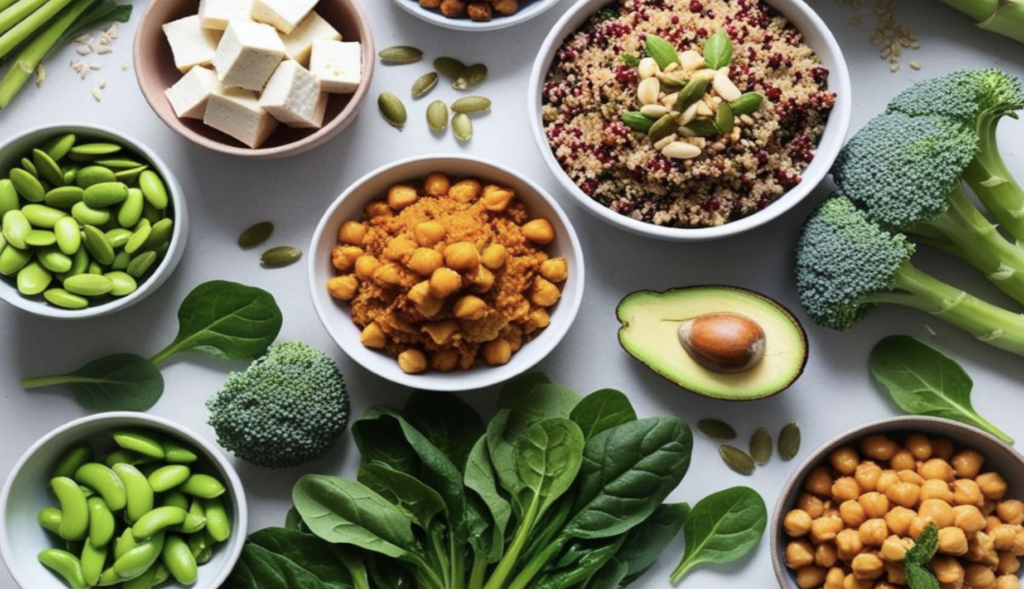
Eat whole foods that reduce inflammation—leafy greens, berries, fish, and healthy fats. Avoid seed oils, which can interfere with insulin function and cell membranes.
4. Manage Stress
Stress hormones like cortisol can block the body’s ability to repair. Try breathing exercises or a few minutes of quiet time each day.
5. Support Detox Pathways
Drink plenty of water, sweat regularly, and eat foods that help your liver—like cruciferous vegetables and citrus.
6. Explore Regenerative Therapies
If possible, try treatments like red light therapy, IV nutrient drips, or NAD+ support. These can boost energy and help restore balance faster. Always consult with a qualified practitioner before starting any program.
The Future of Health
Regenerative wellness is part of a bigger trend. People are moving from reactive care to proactive care. Instead of waiting for illness, they’re focusing on prevention.
The market for longevity-focused health is expected to reach $25 billion by 2030, according to a report from Market Research Future. Companies are investing in anti-aging research, cellular repair technologies, and nutrition that supports longer, healthier lives.
A Holistic Perspective
The core message behind regenerative wellness isn’t extreme. It’s about making small, consistent changes that improve your body’s ability to renew itself.
You don’t have to overhaul your life overnight. Replace one bad habit with one good one. Take a short walk after dinner. Swap out processed snacks for real food. Those small actions build momentum.
As one wellness expert puts it, “You can’t control aging, but you can control how you age.” That’s the real power of regenerative health—it gives people back a sense of agency over their own wellbeing.
Final Thoughts
Regenerative wellness is more than a trend. It’s a smarter way to think about health. It merges science with self-awareness, helping people not just live longer but live better.
The path to a stronger, clearer, more resilient body starts with understanding that healing is not something done to you—it’s something your body already knows how to do.
All it needs is a little support.