

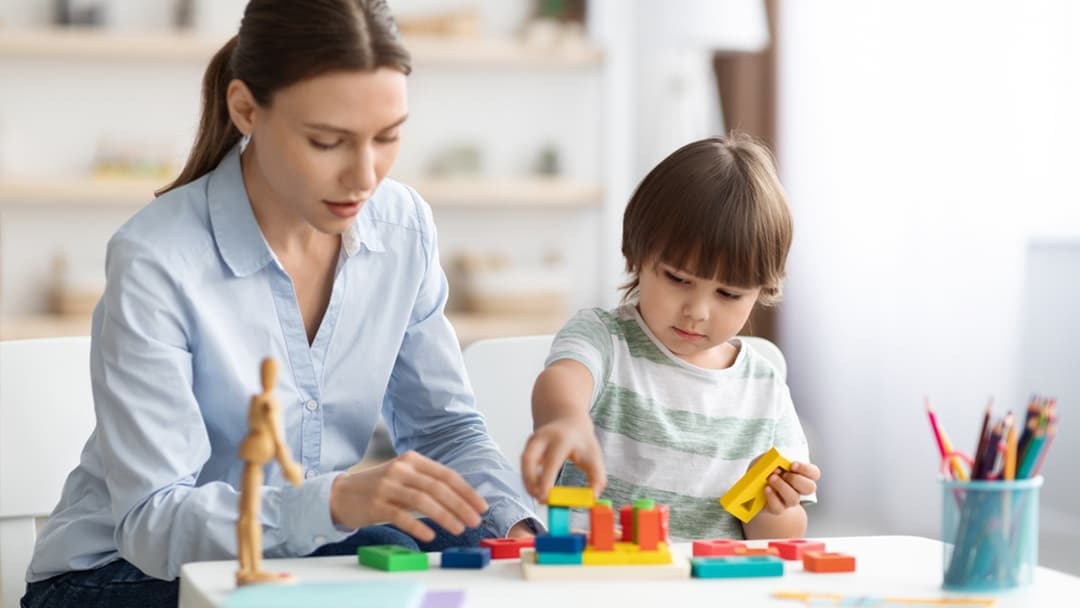
Early childhood is a time of rapid growth, curiosity, and discovery. The years before primary school lay the foundation for social skills, emotional resilience, and cognitive development. During this period, the right learning environment can make a significant difference in how children engage with the world around them. Many parents seek programmes that not only nurture academic readiness, but also support holistic growth—helping children become confident, curious, and well-prepared for future learning experiences.
In Singapore’s diverse educational landscape, early childhood institutions play a vital role in shaping young minds. These settings provide structured activities that develop language skills, social interaction, creativity, and problem-solving abilities. They also offer opportunities for children to explore, experiment, and express themselves at their own pace, fostering a love of learning from an early age.
A Balanced Environment That Encourages Exploration
Young children learn best when they feel safe, supported, and engaged. A balanced environment encourages exploration while providing gentle guidance. Through hands-on activities, creative play, storytelling, and group interaction, children begin to make sense of ideas, build vocabulary, and strengthen social skills. These early experiences become the building blocks of later academic achievement and personal confidence.
Structured routines help children feel secure, while age-appropriate challenges encourage them to think independently and take healthy risks. Balancing guidance with free expression helps children develop self-regulation, curiosity, and positive learning habits.
Fostering Social and Emotional Growth
Social interaction is a core part of early development. In early learning environments, children learn to take turns, share ideas, and communicate their needs. These interactions build empathy, cooperation, and the ability to resolve conflicts constructively. Teachers play an important role in modelling positive social behaviour and supporting children as they navigate friendships and group activities.
Emotional growth is equally important. Children begin to recognise their own feelings, express them in healthy ways, and understand the emotions of others. This emotional intelligence prepares them for successful relationships both inside and outside the classroom.
Preparing for Future Learning
Academic readiness is another priority during early childhood. Fundamental skills in language, numeracy, and logic are introduced through play and discovery. These foundations help children transition smoothly into primary school, where learning becomes more structured and task-oriented.
Children who develop strong early skills are often more confident when facing new challenges. They tend to approach tasks with curiosity rather than hesitation. This mindset is nurtured when early learning emphasises encouragement, exploration, and incremental progress.
The Role of Educators in Guided Learning
A supportive educator inspires curiosity and confidence. Teachers observe each child’s interests and developmental stage, adapting activities to meet individual needs. They encourage questioning, motivate participation, and celebrate achievements—no matter how small.
Regular communication between teachers and parents also strengthens the learning experience. When families and educators work together, children benefit from continuity between home and school. This partnership fosters consistency in expectations, routines, and positive reinforcement.
Engaging Families in the Learning Journey
Parents are children’s first teachers, and their involvement is invaluable. Engaging families in the learning process helps reinforce skills outside of formal settings. Simple everyday activities like reading together, playing games, or talking about daily experiences all contribute to cognitive and language development.
Open communication between parents and educators ensures that children’s strengths and challenges are understood and supported. This collaborative approach nurtures confidence and creates a shared commitment to each child’s growth.
Building Confidence Through Achievement
Early experiences of success build confidence. When children are acknowledged for their efforts, they develop a sense of achievement and are more willing to take on new challenges. This positive reinforcement encourages persistence and reinforces the joy of learning.
Children learn at their own pace, and a nurturing environment recognises and respects individual progress. Celebrating small milestones encourages resilience and motivates continued exploration.
A Supportive Community for Families
For many families, finding the right early learning environment is an important decision. Parents often look for places that prioritise holistic development, experienced educators, and strong communication. CCIS Singapore is one such option that families explore when seeking a nurturing start for their children’s educational journey.
With a focus on supporting young learners through engaging activities, social interaction, and foundational skill building, such programmes help children grow with curiosity, confidence, and enthusiasm for learning.
Looking Forward with Purpose
Early childhood education is more than preparation for school—it’s preparation for life. Children who develop strong social, emotional, and cognitive skills early are often better equipped to face future learning challenges with resilience. They carry with them not just knowledge, but confidence in their ability to learn, explore, and adapt.
By providing a balanced mix of guided learning, play-based exploration, and supportive interactions, early learning environments help young children build a foundation that supports future success—and helps families feel confident about their child’s developmental journey.
