

Introduction
Online payment systems have revolutionized the way people shop, transfer money, and conduct business. Consumers can purchase products from anywhere in the world, businesses can accept digital payments around the clock, and financial transactions sharkshop can be completed within seconds. While these advancements have made commerce more convenient, they have also created new opportunities for cybercriminals to exploit weaknesses in digital payment systems.
The name Sharkshop is often mentioned in cybersecurity discussions related to underground marketplaces where stolen digital information and cybercrime-related services may be exchanged. Security researchers analyze these types of platforms to better understand how cybercriminals operate, identify emerging payment fraud trends, and develop stronger defensive strategies.
This article explores how online payment fraud has evolved, the role underground cybercrime ecosystems play in supporting financial crimes, the impact on businesses and consumers, and the cybersecurity practices that help reduce payment-related risks.
Understanding Online Payment Fraud
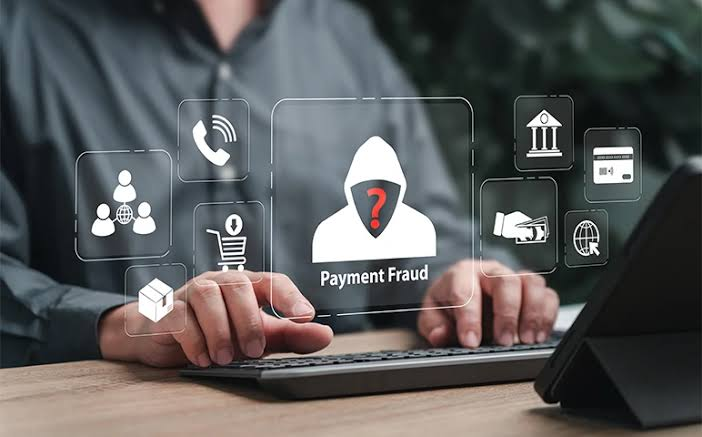
Online payment fraud refers to unauthorized or deceptive activities involving digital financial transactions. Criminals attempt to obtain financial information, compromise accounts, or exploit payment systems for illegal financial gain.
Unlike traditional financial crimes, online payment fraud often occurs remotely, allowing attackers to target victims across different countries with minimal physical presence.
Common forms of online payment fraud include:
- Unauthorized card transactions
- Account takeover fraud
- Identity theft
- Business email compromise
- Payment scams
- Digital wallet fraud
- Fake online stores
- Phishing attacks targeting financial information
As digital commerce continues to expand, payment fraud techniques continue evolving alongside new technologies.
Sharkshop and Underground Cybercrime Markets
Cybersecurity professionals frequently study underground marketplaces like Sharkshop to understand how financial cybercrime develops. These marketplaces provide environments where criminals may exchange stolen financial information, compromised accounts, malware, phishing tools, and other illegal digital resources.
Products and services commonly associated with underground marketplaces include:
- Stolen payment card information
- Compromised online banking credentials
- Customer databases
- Malware designed to steal financial data
- Phishing kits
- Remote system access
- Fraud-related digital services
- Exploited software vulnerabilities
While these activities are illegal, analyzing them helps researchers identify emerging threats and strengthen cybersecurity defenses.
The Evolution of Payment Fraud
Payment fraud has changed dramatically over the past two decades.
Traditional Fraud
In the past, financial fraud often involved stolen physical payment cards, forged checks, or counterfeit documents.
Digital Transformation
As online banking and e-commerce became widespread, criminals shifted their focus toward digital attacks capable of reaching thousands of potential victims simultaneously.
Organized Cybercrime
Modern cybercrime operates through specialized criminal networks where different individuals focus on malware development, phishing campaigns, credential theft, financial fraud, or money laundering.
Cybercrime-as-a-Service
Today, cybercriminals can purchase ready-made phishing kits, malware, or fraudulent services without developing their own technical capabilities. This commercialization has lowered the barrier to entry for financial cybercrime.
The increasing professionalism of cybercrime continues to challenge financial institutions and businesses worldwide.
How Payment Information Becomes Compromised
Payment information is typically stolen through broader cybersecurity incidents rather than direct attacks against payment systems alone.
Common attack methods include:
Data Breaches
Organizations storing customer payment information may become targets of cyberattacks that expose sensitive financial records.
Phishing
Fraudulent emails and fake websites trick users into revealing payment information or online banking credentials.
Malware
Malicious software installed on computers or mobile devices can capture payment information entered during online transactions.
Credential Theft
Compromised usernames and passwords allow attackers to access financial accounts, particularly when users reuse passwords across multiple services.
Social Engineering
Attackers manipulate individuals into voluntarily disclosing confidential financial information by impersonating trusted organizations.
Understanding these attack methods helps organizations implement stronger preventive measures.
Why Stolen Financial Information Is Valuable
Financial information remains one of the most sought-after assets within underground cybercrime communities.
Stolen payment information may support:
- Unauthorized purchases
- Identity theft
- Account takeovers
- Financial scams
- Money laundering operations
- Broader fraud campaigns
Unlike physical assets, digital information can be copied repeatedly and distributed to multiple criminal groups, increasing the number of potential victims.
Business Risks
Organizations handling digital payments face numerous cybersecurity challenges.
Financial Losses
Businesses may experience fraud-related expenses, chargebacks, legal costs, forensic investigations, regulatory penalties, and security improvements.
Customer Trust
Consumers expect businesses to protect payment information. A security incident can reduce confidence and negatively impact long-term customer relationships.
Operational Disruption
Cybersecurity incidents may interrupt payment processing, delay customer transactions, and require temporary service restrictions during investigations.
Compliance Requirements
Many industries must comply with payment security standards and privacy regulations designed to protect customer information.
Businesses that prioritize cybersecurity often reduce both financial losses and reputational damage.
Consumer Risks
Individual consumers also face increasing payment fraud risks.
Unauthorized Transactions
Fraudulent purchases may occur after payment information becomes compromised.
Identity Theft
Financial information combined with personal records increases opportunities for identity fraud.
Account Takeovers
Compromised login credentials can provide attackers with access to online banking services, payment platforms, and digital wallets.
Privacy Concerns
Stolen financial information may circulate within underground marketplaces long after the original security incident.
Consumers should regularly review financial activity and report suspicious transactions immediately.
The Role of Threat Intelligence
Threat intelligence plays a critical role in combating payment fraud.
Cybersecurity professionals monitor underground cybercrime communities to identify:
- Emerging payment fraud techniques
- Newly discovered malware
- Stolen credentials
- Financial phishing campaigns
- Criminal infrastructure
- Evolving attacker behavior
Early identification of threats enables organizations to strengthen defenses before large-scale attacks occur.
Strengthening Payment Security
Effective payment security requires multiple layers of protection.
Multi-Factor Authentication
Additional authentication significantly reduces unauthorized access to financial accounts.
Secure Password Management
Unique, complex passwords reduce the effectiveness of credential theft attacks.
Regular Software Updates
Installing security updates eliminates vulnerabilities commonly targeted by attackers.
Encryption
Encrypting payment information protects sensitive data during storage and transmission.
Fraud Detection Systems
Artificial intelligence and behavioral analytics help identify suspicious payment activity in real time.
Continuous Monitoring
Security teams should monitor payment systems for unusual transactions and unauthorized access attempts.
Employee Education
Employees responsible for financial operations should receive regular cybersecurity awareness training to recognize phishing attempts and suspicious communications.
The Importance of Consumer Awareness
Technology alone cannot eliminate payment fraud.
Consumers should practice responsible digital habits, including:
- Using trusted payment platforms
- Avoiding suspicious websites
- Verifying email requests for financial information
- Monitoring financial statements regularly
- Enabling account security notifications
- Updating devices promptly
- Limiting the sharing of financial information online
Simple preventive measures significantly reduce the likelihood of successful attacks.
Emerging Trends in Payment Fraud
The payment fraud landscape continues evolving alongside advances in technology.
Emerging trends include:
AI-Enhanced Fraud
Artificial intelligence may be used by attackers to create more convincing phishing campaigns and fraudulent communications.
Mobile Payment Risks
The growing popularity of mobile payment applications introduces additional security considerations for consumers and businesses.
Cloud-Based Payment Systems
Cloud technologies provide scalability but require strong access controls and continuous monitoring.
Social Engineering Evolution
Fraudsters increasingly personalize attacks using publicly available information gathered from social media and previous data breaches.
Organizations must continuously adapt their cybersecurity strategies to address these evolving threats.
Building a Strong Cybersecurity Culture
Long-term payment security depends on creating a culture where cybersecurity becomes part of everyday business operations.
Organizations should:
- Conduct regular security assessments.
- Test incident response procedures.
- Educate employees continuously.
- Invest in modern security technologies.
- Collaborate with cybersecurity experts.
- Monitor emerging threats proactively.
Cybersecurity should be viewed as an ongoing process rather than a one-time investment.
Conclusion
The evolution of online payment fraud demonstrates how rapidly cybercriminal tactics adapt to technological innovation. Discussions surrounding Sharkshop and similar underground marketplaces provide valuable insight into sharkshop.vc the broader cybercrime ecosystem and the methods criminals use to exploit stolen financial information.
Protecting digital payment systems requires cooperation between businesses, financial institutions, cybersecurity professionals, and consumers. Strong authentication, data encryption, employee education, continuous monitoring, fraud detection technologies, and responsible online behavior all contribute to reducing payment fraud risks.
As online commerce continues to grow, maintaining robust cybersecurity practices will remain essential for protecting financial information, preserving consumer trust, and ensuring the long-term security of the digital economy. Organizations and individuals who stay informed and proactive will be better equipped to navigate the evolving landscape of online payment security.
