

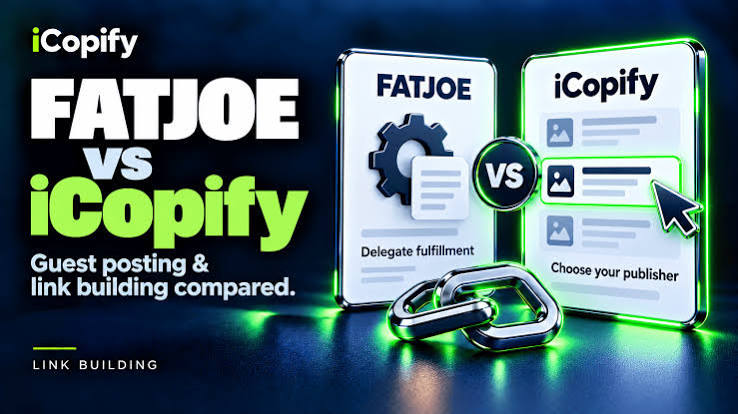
Guest posts can help a business reach new readers, but a placement is only useful when the publisher’s audience, editorial standards and subject matter fit the campaign. For teams learning how to order guest posting websites on iCopify, the key is to treat the process as a media decision—not simply a way to secure a link. Clear goals and careful checks can help avoid paying for reach that does not serve the business.
Guest posting can support brand awareness, referral traffic and industry credibility. It is less predictable as a direct sales channel, and a published article does not guarantee search rankings or conversions. Before choosing a site, decide what success should look like: relevant visits, visibility among a professional audience, or coverage of a particular topic. That definition will guide which publishers are worth considering.
Start With Audience Relevance
A site’s broad category is not enough to establish a fit. A technology company, for example, may find a general business publication useful if its readers include buyers or decision-makers, while a specialist technology site may be better for reaching practitioners. Consider the audience’s role, interests, geography and likely reason for reading the publication.
Review recent articles, not just the homepage or a publisher description. Do the stories address subjects related to your business? Is the writing intended for consumers, professionals or executives? Look at whether articles invite thoughtful discussion and whether the site maintains a consistent editorial focus. If the surrounding content is unrelated to your offer, a placement may bring little relevant attention even if the site reports substantial traffic.
Assess Traffic and Content Quality Together
Traffic estimates can help compare opportunities, but they are only one part of the decision. Ask how the figures were produced and whether the audience appears to match your market. A smaller publication with engaged readers in a specific sector may be a better fit than a larger site with broad, untargeted reach. Where data is available, consider trends over time rather than relying on one headline number.
Content quality deserves equal attention. Check whether articles are edited, factually grounded and easy to navigate. Look for clear author or publisher information, a reasonable mix of topics and a site experience that works on mobile. A page filled with thin, repetitive posts or excessive outbound links may offer limited value to readers. Search engines and audiences both respond poorly to content that exists only to host promotional material.
Compare Pricing and Placement Terms
Guest posting opportunities may be free, paid or arranged through a marketplace. Free contributions can be suitable when a publication accepts useful pitches and the time required to secure a placement makes sense. Paid options may offer a more defined process, but a fee alone does not establish quality. Compare the cost with the likely audience value and review exactly what is included.
Before ordering, check the publisher’s requirements: article length, topic approval, links, turnaround time, editing rights and whether the post will remain available. Confirm whether pricing covers writing, publication or both, and whether revisions or replacement are possible if a submission is declined. A directory of guest posting sites and websites can help teams review options, including free and paid opportunities, before deciding where to invest.
Prepare Content That Helps the Reader
A placement should answer a question or offer insight that makes sense for the publication’s audience. Start with a specific angle, support claims with appropriate evidence and avoid turning every section into a pitch. The publisher may request changes, so allow enough time for editing and approval. Align the article’s link destination with the reader’s next likely step; a useful resource is usually more credible than a generic sales page.
Production planning matters when campaigns include more than written articles. A business may coordinate guest posts with social clips, interviews or product explainers, each with different deliverables and approval steps. For video, a clear brief should state the intended outcome, format, source materials, deadlines and revision limits. A guide to video editing constraints can help a team communicate those boundaries before work begins. Osdire is one freelance marketplace businesses can use to find services across categories including video and animation; its order process holds a buyer’s payment while work is underway and releases it after approval.
Track Results After Publication
Keep a record of the publisher, topic, cost, publication date and agreed terms. Once the article is live, check that it displays correctly, links work and the content reflects the approved version. Monitor referral visits and engagement using your usual analytics tools, and compare performance with the campaign goal. If the objective is awareness, referral traffic and audience fit may be more informative than immediate sales. If the goal is leads, track whether visitors take the intended next step.
Use the results to refine future choices rather than judging a campaign by one metric. A placement with modest traffic may still reach the right readers, while a high-traffic page may produce little engagement. Reviewing outcomes over time helps teams distinguish reliable publisher relationships from placements that look attractive on paper but contribute little.
Conclusion
Ordering guest posts works best when publishers are selected for relevance, editorial quality and transparent terms—not just price or traffic claims. Define the campaign goal, inspect recent content, clarify deliverables and evaluate results after publication. A disciplined process helps businesses use guest posting as one part of a broader media and content strategy, while keeping the focus on material that earns readers’ attention.
