

Online entertainment has changed dramatically over the past few years. People can now access games, watch live events, and explore different forms of digital entertainment without leaving home. Among the many options available, slot games have maintained a strong presence. Their simple controls, colorful designs, and variety of themes make them familiar to many online gaming enthusiasts.
But there’s more to understanding a slot game than simply pressing a button and watching the reels spin. Different games offer different features, payment structures, themes, and playing experiences. Some focus on classic symbols, while others introduce bonus rounds, interactive features, and creative visual effects.
Whether you’re completely new to the subject or simply want to understand how modern slot games work, knowing the basics can help you make more informed decisions. It’s also important to recognize that these games involve chance, and no strategy can guarantee a winning result.
What Is a Slot Game?
A slot is a game of chance traditionally associated with machines featuring spinning reels and matching symbols. Early versions were mechanical devices found in physical gaming establishments. Players inserted money, activated the machine, and waited for the reels to stop.
Modern versions have taken that familiar concept and moved it into digital environments.
Online slot games generally display several reels containing different symbols. When a player starts a round, the reels spin and eventually stop. The resulting symbol combination determines whether the round produces a payout according to the game’s rules.
The concept is straightforward, which is one reason slots have remained recognizable across generations.
However, modern games aren’t limited to traditional fruit symbols, bells, or lucky sevens. Developers now create elaborate themes inspired by mythology, adventure, nature, fantasy, and popular entertainment styles.
The presentation has become more sophisticated, but the underlying experience remains based on chance.
How Online Slot Games Work
Understanding how an online slot works starts with its central technology: the random number generator, commonly known as an RNG.
An RNG is designed to generate unpredictable results. In a properly functioning game, each spin produces an independent outcome. Previous results don’t make a particular symbol more likely to appear on the next spin.
This is an important detail because players sometimes assume that a machine becomes more likely to pay after several unsuccessful rounds. That’s not how properly designed random games work.
Understanding Reels and Paylines
Reels are the vertical sections that display symbols during a game. Traditional slots often feature three reels, while many modern versions use five or more.
Paylines determine which symbol combinations qualify for a payout. Some games use fixed paylines, while others offer alternative arrangements or ways-to-win systems.
For example, imagine a game with five reels and several possible winning combinations. Matching specific symbols across a qualifying pattern may produce a payout, depending on the game’s published rules.
Not every matching symbol combination necessarily counts as a win. That’s why checking the paytable before playing is useful.
Different Types of Slot Games
Not all slot games offer the same experience. Developers experiment with different layouts, mechanics, and themes to appeal to different interests.
Classic slots are inspired by traditional machines. They often use simple layouts, familiar symbols, and straightforward gameplay. Someone who prefers a less complicated interface may find this format easier to understand.
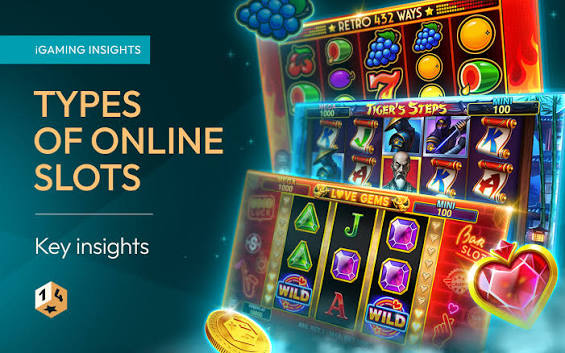
Video slots are more visually developed. They commonly include animations, multiple reels, sound effects, and additional game features. Their themes can range from ancient civilizations to underwater adventures.
Progressive jackpot slots contribute a portion of eligible wagers to a growing jackpot pool. The potential prize can increase over time, although winning it is generally difficult and depends on the game’s specific rules.
Megaways-style games use changing symbol arrangements and variable numbers of symbols on each reel. This creates different possible combinations from one spin to another.
Each format has its own characteristics. A complicated game isn’t automatically better than a simple one. The right way to evaluate a game is to understand its mechanics rather than judge it by appearance alone.
Common Features Found in Modern Slots
Modern slot developers compete through presentation and gameplay features. These additions can make games more interactive, although they don’t remove the underlying element of chance.
One familiar feature is the wild symbol. Depending on the game’s rules, it can substitute for other symbols to help complete certain winning combinations.
Another common feature is the scatter symbol. It may activate a bonus round or free-spin feature when a required number appears.
Free spins allow a player to enter a separate set of spins under specific conditions. Some games also include multipliers, which can increase eligible payouts according to their rules.
Bonus rounds offer another variation. Instead of simply spinning the reels, players might select objects, reveal hidden rewards, or interact with a short animation.
These features can make a game more interesting, but it’s worth remembering that bonus features don’t guarantee a profitable result.
Understanding RTP, Volatility, and Randomness
If you want to understand online slots properly, three concepts deserve attention: return to player, volatility, and randomness.
Return to player, usually shortened to RTP, is a theoretical percentage representing the amount a game is designed to return over a very large number of plays.
For example, a hypothetical game with a 96% RTP has a theoretical return of $96 for every $100 wagered across an extremely large sample. It does not mean an individual player will receive $96 after wagering $100.
Actual short-term results can be very different.
Volatility describes how payouts are distributed.
Low-volatility games generally feature more frequent but potentially smaller payouts. High-volatility games may produce less frequent payouts, with the possibility of larger results. Medium-volatility games sit somewhere between these general patterns.
Neither option guarantees a better experience or a positive financial outcome.
Randomness is equally important. Every spin is designed to produce an independent result. A long sequence of unsuccessful spins doesn’t create an obligation for the game to deliver a win.
Understanding these concepts helps separate realistic information from exaggerated claims found in online gaming discussions.
How to Choose a Slot Game
Choosing a game should begin with understanding what it offers rather than looking for promises of easy money.
Start by examining the rules. A clear paytable explains the value of symbols, available paylines, bonus conditions, and other important details. If those rules aren’t available or are difficult to understand, that’s a reason to be cautious.
Next, consider the interface. Some players prefer simple designs with fewer features, while others enjoy more detailed presentations. Neither preference is wrong.
Game information also matters. Check whether the provider publishes RTP details, volatility information, and explanations of bonus mechanics.
The platform hosting the game deserves just as much attention. Look for transparent terms, clear payment information, appropriate licensing where applicable, and responsible gaming options.
For instance, someone exploring a new platform might spend time reviewing its terms and conditions before creating an account. That’s a much better approach than trusting a promotional headline without checking the details.
Most importantly, don’t treat slot selection as an investment decision. These games are designed for entertainment, not reliable income.
Mobile Gaming and Online Accessibility
Mobile technology has made digital entertainment more accessible. Many modern slot games are designed to work on smartphones, tablets, and desktop computers.
Responsive interfaces adjust the layout to fit different screen sizes. Buttons become easier to tap, menus adapt to smaller displays, and game graphics scale according to the device.
This flexibility allows users to access compatible games without needing a dedicated gaming machine.
However, mobile convenience comes with practical considerations. A small screen can make it harder to read detailed rules, while notifications and interruptions may distract players.
A sensible approach is to use a secure connection, avoid unfamiliar applications, and check the website address before entering personal information.
Players should also pay attention to device security. Keeping software updated and avoiding suspicious links can reduce exposure to common online threats.
Accessibility should never come at the expense of personal privacy or financial safety.
Responsible Gaming and Practical Safety Tips
Let’s be honest: the entertainment value of a slot game can make it easy to lose track of time. That’s why responsible gaming should be part of the conversation from the beginning.
First, understand that every paid spin involves financial risk. There is no reliable system that can predict future results or guarantee consistent winnings.
Second, establish a strict entertainment budget before participating. Only use money you can afford to lose, and never use funds intended for rent, food, education, bills, or other essential expenses.
Time limits are equally useful. Decide how long you intend to spend on entertainment and stop when that period ends.
Avoid chasing losses. Increasing wagers after an unsuccessful session can make an already difficult situation worse. Taking a break is often the healthier decision.
It’s also worth avoiding claims about guaranteed wins, secret algorithms, or special playing hours. Such statements are frequently used to attract attention but don’t establish that a game will produce better results.
If gaming begins affecting your finances, relationships, sleep, or daily responsibilities, stop playing and seek appropriate support. Depending on your location, self-exclusion tools and gambling support services may also be available.
Responsible gaming isn’t about finding a perfect strategy. It’s about recognizing limits and protecting your well-being.
The Future of Online Slot Games
The online gaming industry continues to evolve as technology develops.
One noticeable direction is improved visual presentation. Better animations, detailed environments, and more sophisticated sound design are making digital games increasingly immersive.
Another development is cross-device compatibility. Developers increasingly focus on creating experiences that work consistently across desktops, tablets, and smartphones.
Personalization may also influence future designs. Some platforms are experimenting with interfaces that allow users to adjust display preferences, sound settings, and accessibility features.
Artificial intelligence and data analytics may contribute to testing, customer support, and platform management. However, these technologies shouldn’t be confused with the ability to predict random outcomes.
Regulation and consumer protection will remain important too. Clearer information, stronger privacy practices, and accessible responsible gaming tools can help create safer digital environments.
The industry may change significantly, but transparency and user protection should remain central priorities.
Final Thoughts
Slot games have evolved from simple mechanical machines into sophisticated digital entertainment experiences. Their variety of themes, familiar mechanics, and modern features explain why they continue to attract attention.
Still, understanding how they work is more valuable than chasing promises of quick rewards. Learning about RTP, volatility, paylines, random number generators, and platform safety gives players a clearer picture of what to expect.
The most important takeaway is simple: slot games are based on chance, not guaranteed outcomes. Anyone choosing to participate should understand the risks, establish firm limits, and prioritize entertainment over financial expectations. A balanced approach makes it easier to keep digital entertainment in its proper place.
