

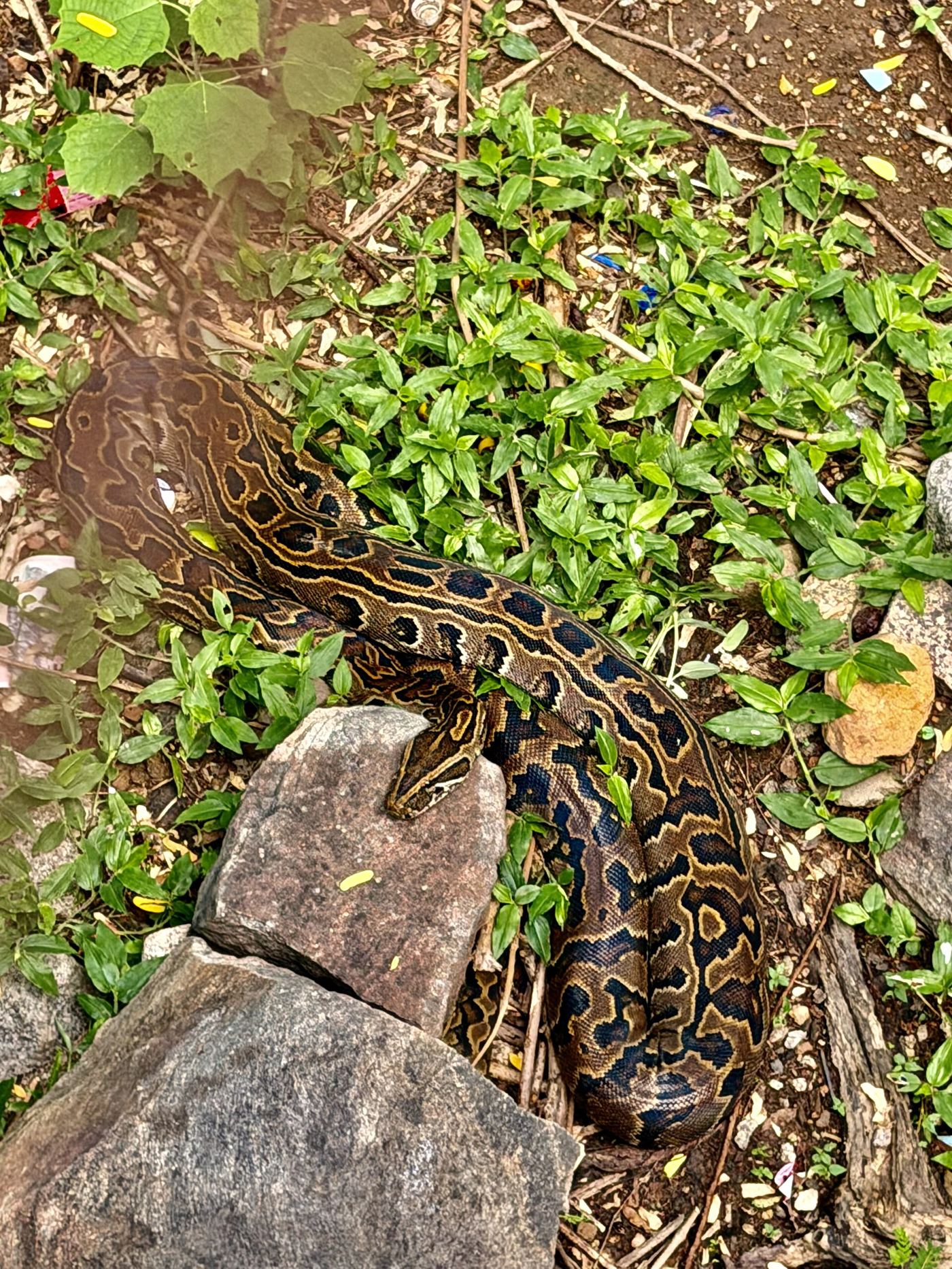
Children can fear snakes and still love nature, according to a new study that challenges a long-held idea in psychology. The research, led by Vanessa Woods at Duke University and published in Frontiers in Psychology, tested the biophilia hypothesis, which suggests humans have an innate and universal attraction to nature. The team studied 295 children aged three to thirteen at the North Carolina Zoo and the Lola ya Bonobo sanctuary in Kinshasa, Democratic Republic of the Congo. They found that attraction to biodiversity varied widely between children, much like a temperament trait, rather than being the same in everyone. The idea that humans are born with a love of nature, known as the biophilia hypothesis, has been influential for decades, but it had rarely been tested with children in different cultures. The researchers chose two very different settings, a zoo in the United States and a sanctuary in Congo, to see whether the pattern held across cultures.
What the Evidence Shows
One of the most unexpected findings was that fear and attraction were not opposites. Children who said they feared spiders, snakes, beetles and other animals were often just as interested in biodiverse environments as children who expressed little fear. That suggests nature education does not need to eliminate fear before it can build appreciation, and that a child who is nervous around a snake may still enjoy exploring a forest. The researchers say the results could change how schools and zoos design programmes, focusing on individual differences rather than assuming every child responds to nature in the same way. The findings also suggest that fear itself is not a barrier to learning about wildlife, and that programmes which acknowledge children’s worries instead of dismissing them may work better. Zoos and schools could use this insight to design visits that let nervous children watch animals from a comfortable distance before coming closer. Reporting and analysis from sources such as Nature Human Behaviour track the same developments, and specialists following the study of children’s fear of snakes and love of nature say the direction is now consistent across independent lines of evidence.
The Wider Context
The wider context is a discipline rebuilding confidence through replication and pre-registration, and findings on the study of children’s fear of snakes and love of nature are being reported with their effect sizes and limits attached. That honesty can make results sound smaller than the headlines of a decade ago, but the effects that survive are the ones practitioners can responsibly build on.
What Happens Next
What happens next in research on the study of children’s fear of snakes and love of nature is a turn toward real-world trials: longer, larger and conducted in the schools, workplaces and clinics where the findings are meant to apply. Psychologists are also studying individual differences more seriously, because average effects conceal the people for whom an approach works powerfully and those it leaves cold. Both shifts make the science slower and more useful. You can follow related developments in our coverage of psychology.
None of this will be settled by a single announcement, study or product launch. The pattern to watch is accumulation: independent confirmations, honest reporting of failures and steady improvement in the underlying numbers. Readers who follow those signals, rather than the loudest claim of the week, will understand this subject better than most of the commentary surrounding it suggests is possible.
