

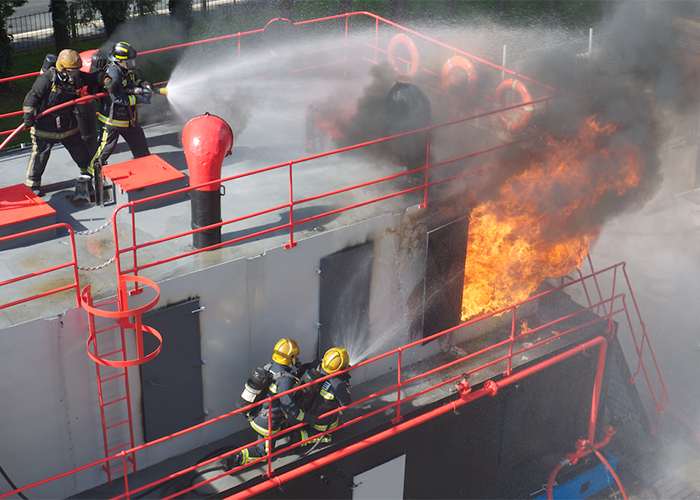
Large operational zones near water require close attention to maintain safe working conditions. Fire risks can develop from equipment activity or maintenance tasks when proper oversight is not maintained. Continuous observation supports safer surroundings while helping teams respond quickly to concerns. Reliable monitoring also strengthens daily operations through trained personnel from firewatch companies.
Supporting Operational Continuity
Busy waterfront facilities rely on organized supervision to keep activities moving without disruption. Trained personnel monitor work areas while identifying conditions that may require immediate attention. Their presence supports smooth coordination among different teams. Consistent observation helps reduce interruptions while maintaining a secure environment for ongoing tasks.
Monitoring High Risk Areas
Certain sections require greater attention because of equipment usage or temporary work activities. Personnel perform regular rounds to identify unusual conditions before they grow into larger concerns. Early reporting helps responsible teams take action quickly. Effective monitoring supports stronger protection throughout active operational zones.
Focus Areas
- Observe active work zones requiring steady oversight each shift.
- Track unusual conditions before concerns become harder to manage.
- Review surrounding spaces for hazards needing prompt attention.
- Support orderly activity through regular patrols across operational sections.
- Maintain detailed records that assist responsible teams promptly.
Managing Temporary System Outages
When safety equipment is unavailable due to maintenance or repairs, additional supervision becomes essential. Personnel provide continuous observation while checking for signs of developing hazards. Their presence helps maintain awareness until normal protection systems return. This approach supports safer conditions during periods requiring extra attention.
Strengthening Personnel Coordination
Effective communication helps teams address concerns without unnecessary delays. Personnel share observations with supervisors while documenting important findings throughout each shift. Clear reporting supports faster decision-making when action is required. Strong coordination contributes to reliable protection across complex working environments where firewatch companies provide valuable support.
Maintaining Emergency Readiness
Prepared personnel remain alert so they can respond quickly when situations require attention. Regular checks help confirm access routes remain clear for responsible response teams. Readiness measures support organized action during unexpected events. Ongoing vigilance contributes to stronger protection across operational areas.
Readiness Practices
- Keep communication channels active throughout scheduled monitoring periods daily.
- Verify access routes remain clear for quick response actions.
- Record observations accurately to support informed operational decisions.
- Monitor changing conditions requiring immediate notification to supervisors.
- Encourage awareness through consistent observation during active operations.
Reducing Workplace Hazards
Preventive action plays an important role in limiting unwanted incidents. Personnel observe activities carefully while noting conditions that may increase risk. Immediate reporting allows responsible teams to address concerns before they escalate. This approach supports safer surroundings while protecting valuable assets from avoidable problems.
Promoting Long-Term Protection
Reliable oversight contributes to stable operations over extended periods. Continuous monitoring helps maintain awareness while supporting compliance with established safety requirements. Organized observation strengthens daily routines across active areas. Consistent attention helps create conditions that support ongoing operational success. This approach encourages accountability while improving preparedness across working environments.
Careful supervision remains essential for maintaining secure waterfront operations where ongoing activity requires constant awareness. Trained personnel help identify concerns early while supporting organized response efforts when attention is needed. A dependable fire watch service approach strengthens protection measures, improves operational reliability, supports workplace stability, preserves valuable assets, and encourages safer conditions throughout complex environments.
FAQ
How does fire watch service support active waterfront operations?
It provides continuous monitoring while helping maintain safer conditions.
Why are temporary outages monitored through dedicated personnel?
Extra oversight helps address concerns until systems return to normal.
How do trained personnel improve workplace protection efforts?
Regular observation supports prompt reporting and organized response actions.
