


Live dealer games sit somewhere between a traditional casino table and a modern streaming service. They pair video broadcasts with interactive controls, allowing remote participants to follow a hosted game from a screen. For a visitor exploring gambling-related destinations such as jun88, the live section may seem familiar at first glance, but it has its own vocabulary, etiquette, technology, and limitations. Learning how the format works before joining a table can make the experience easier to evaluate without confusing social atmosphere with better odds.
The Basic Idea Behind a Live Table
Instead of relying entirely on computer-generated visuals, a live dealer game shows a physical table or studio in real time. A host conducts the activity, while the interface displays betting areas, timers, and results. Depending on the format, the game may involve real cards, a wheel, or other equipment. The platform transmits the action to participants who interact through controls on their own devices.
This is not the same as being physically present. The participant sees a mediated version of the table, and their actions must travel through software and a network connection. The broadcast may feel immediate, but there is always a technical system between the player and the event.
From Table Entry to Final Result: The Round
While rules vary by title, the core sequence usually follows five stages:
- Inspect the table: Read its rules and limits before taking any action.
- Watch the betting window: The interface shows when selections are available.
- Notice the countdown: A visual signal indicates when entries close.
- Follow the hosted round: The dealer conducts the game while the stream displays events.
- Check the recorded result: Confirm that the system reflects the outcome in the account history.
A new visitor should watch a complete cycle before participating, if observation is available. That simple step reveals how much time the interface provides for decisions and whether the rules are explained clearly enough. Rushing to place a stake before understanding the sequence increases the risk of user error.
The Role of the Dealer
A host can make a live table feel more personal by explaining actions and maintaining a steady rhythm. Nevertheless, the dealer is not an adviser who can influence the outcome for an individual participant. Friendly conversation should not be mistaken for special access, secret hints, or an improved probability of winning.
The Role of the Interface
The software handles the parts the camera cannot: presenting selectable bet areas, confirming entries, recording the result, and communicating the next round’s status. Buttons should have legible labels, while stake amounts and table limits should remain visible. An attractive video feed cannot compensate for confusing account controls.
Live Games Versus Automated Casino Games
The most obvious difference is presentation, but pacing matters just as much. Automated digital games can often progress at the user’s own speed. A live table follows a shared schedule, so individual participants cannot always pause while they think. That rhythm may feel engaging, yet it can also put pressure on anyone unfamiliar with the rules.
Live streams also introduce practical requirements absent from some simpler games. They consume more data, may drain a mobile battery more quickly, and depend on the stability of the connection. If the stream freezes while the interface continues running, the participant may feel uncertain about whether an action was accepted. Reviewing disconnection and disputed-round policies is therefore worthwhile.
Side-by-Side: What Changes for the Viewer?
| Practical feature | Live dealer | Automated game |
|---|---|---|
| Round timing | Shared countdown | Often user-paced |
| Social element | Host and possible chat | Usually no live host |
| Network demand | Continuous video | Often lighter data use |
| Interruptions | Consult disputed-round policy | Check saved round status |
When the Stream Freezes or an Action Is Unclear
Imagine a stream freezing during the final seconds of a betting window. The safest response is not to tap repeatedly or assume nothing happened. Wait for a clear status update, examine the transaction or round history if available, and contact official support when a discrepancy remains. Multiple frantic actions can make a confusing situation harder to resolve.
On a mobile device, a stable network, updated browser, and reasonable battery level can improve general reliability. Those precautions are about usability, not gaming outcomes. If a platform repeatedly displays conflicting balances or unresponsive controls, stop using it until the issue is resolved.
What to Check Before Choosing a Table
Not every live-room experience is appropriate for every device or preference. A thoughtful visitor can assess a table using the following points:
- Limits: Identify minimum and maximum permitted stakes before taking part.
- Rules: Confirm the exact variant, including special side bets and payout conditions.
- Clarity: Make sure the video and account information are both readable.
- Timing: Observe the interval provided for placing or changing a decision.
- Connection: Use a reliable network, particularly before any account action.
- Support: Find out how the service handles interruptions or disputed results.
These checks serve different purposes. Some protect usability, while others protect understanding. None of them changes the underlying probabilities of a chance-based game.
Human Interaction Without Losing Perspective
Live games sometimes offer text chat, which can make the room feel communal. That social element works best when participants remember that other people can see their messages. Polite, concise communication is generally more appropriate than repeated demands for attention. Avoid sharing phone numbers, passwords, payment information, or personal contact details in public chat.
Be suspicious of anyone who claims to have insider knowledge, offers a paid prediction system, or asks you to move a conversation to an unrelated channel. Social features can be enjoyable, but they also create opportunities for impersonation and scams. The presence of a professional-looking studio does not validate a stranger’s promises.
Why Side Bets Deserve Their Own Review
Some table formats offer additional betting choices beyond the main game. These may add variety, but their probabilities, payouts, and house edges can differ significantly from the standard options. A side bet is not simply a more exciting version of an ordinary decision. It is a separate wager with its own rules, which should be understood before any participation.
Choosing a Table for Its Rules, Not Its Audience
A lively table can look appealing because it appears popular, but audience size is not evidence of fairer rules or better returns. Two streams with similar hosts may differ in minimum stakes, game variants, interface language, and round timing. Compare those features directly rather than assuming the most crowded room is the best match.
It also helps to notice whether the interface clearly separates the main wager from optional additions. In a busy room, an extra button or promotional panel can be easy to overlook. Reading the help screen outside a live countdown is a more reliable way to understand the choices.
The Psychology of Feeling Present
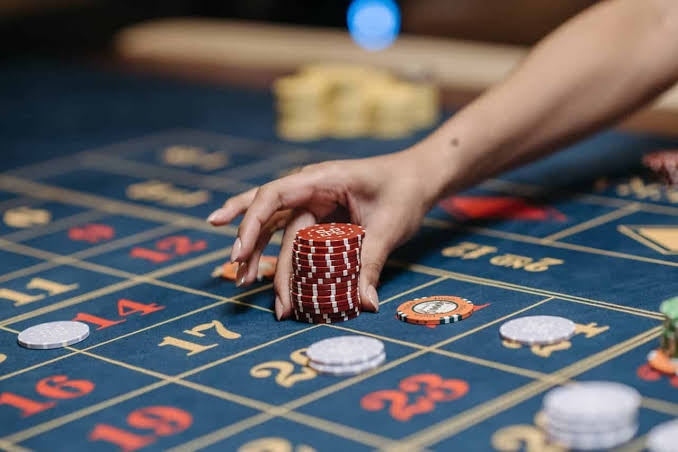
Live broadcasts are designed to create an impression of shared presence. A visible dealer, moving camera, and continuous table activity can make a session feel more compelling than a static menu. That sense of involvement is part of the format’s appeal, but it can also make it harder to notice how much time has passed.
A sensible approach is to decide on session length beforehand and use an independent reminder. If real-money participation is legal for you, establish a budget that can be lost without affecting essential needs. Social excitement should not turn a leisure session into a commitment to stay until a particular result appears.
Is the Live Format Right for Everyone
Not necessarily. Someone who values quiet, flexible pacing may prefer reading about games or using non-wagering demonstrations. Another person may enjoy the atmosphere of a hosted table while still choosing not to bet. The right decision depends on interest, understanding, local legality, and comfort with financial risk. There is no reason to participate merely because a live room looks busy or popular.
Closing Perspective
Live dealer casino games combine broadcast production, game rules, interface design, and human interaction. Understanding all four elements helps separate the entertainment experience from unrealistic expectations about winning. If considering a live area associated with Casino Jun88, review the applicable rules and platform credentials, verify that participation is lawful where you live, and decide on time and spending boundaries before a session begins.
