

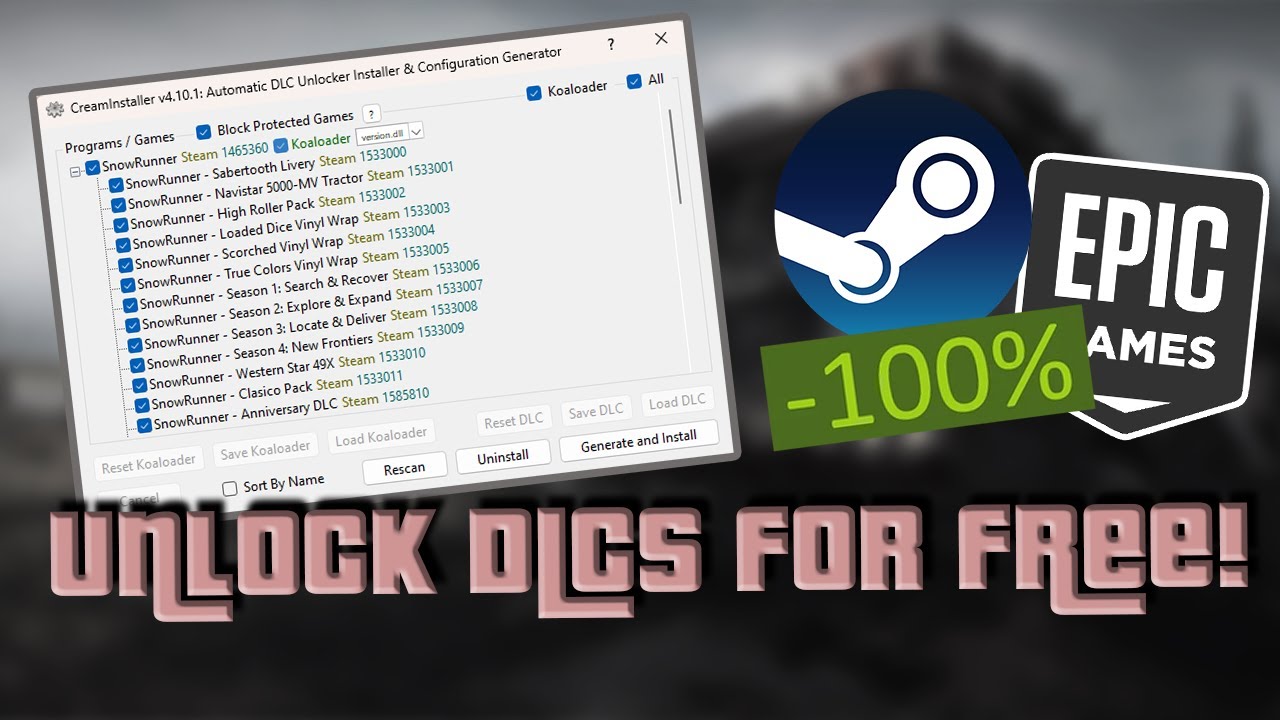
When people search for tools like CreamInstaller, they are usually trying to understand whether such software is easy to use, safe, and suitable for beginners. The idea of “user friendly” goes beyond just a simple interface. It includes how easy it is to install, how clearly it guides the user, how stable it is during use, and whether it creates confusion or risk for the user.
In the case of third-party tools that interact with paid software systems or modify application behavior, user friendliness becomes a much more complicated topic. It is not just about design quality, but also about safety, legality, and technical complexity.
What User Friendly Really Means
A user-friendly application is usually one that can be used without advanced technical knowledge. It has a clean interface, clear instructions, and predictable behavior. Good software does not force users to guess what to do next. Instead, it provides guidance, feedback, and error handling that helps users recover from mistakes easily.
However, not every tool is designed with mainstream usability in mind. Some applications are built for advanced users who already understand system files, software behavior, and potential risks. In such cases, even if the interface looks simple, the actual usage may still be complex or confusing for beginners.
Interface and Ease of Understanding
When evaluating whether a tool like CreamInstaller is user friendly, the first thing people usually notice is the interface. Some third-party utilities tend to have minimal or outdated designs. This can make them look simple at first glance, but simplicity in appearance does not always mean simplicity in use.
If buttons and options are not clearly labeled, users may struggle to understand what each function actually does. In many cases, such tools assume that the user already knows what they are trying to achieve. This creates a gap for beginners who may not fully understand the purpose of each feature.
A truly user-friendly tool would include clear explanations, warnings where necessary, and structured navigation. Without these elements, even a visually simple tool can feel confusing.
Installation Experience and Technical Barriers
Another important part of user friendliness is how easy it is to install and set up the software. Many unofficial or third-party tools require additional steps before they can run properly. These steps might include adjusting system settings, disabling certain protections, or placing files in specific directories.
For an experienced user, this may not be a big issue. However, for beginners, this process can feel complicated and risky. If something goes wrong during installation, there is often limited official support available to guide the user.
A smooth installation process is a major indicator of good usability. When a tool requires too many manual steps or technical adjustments, its user friendliness naturally decreases.
Clarity of Purpose and User Expectations
One of the most overlooked aspects of usability is whether the user clearly understands what the tool is meant to do. Some software lacks proper documentation or clear explanations of its purpose. This can lead to confusion or misuse.
In the case of tools that interact with other software systems in non-standard ways, users may not fully understand the consequences of their actions. A user-friendly design would normally include clear descriptions, warnings, and guidance to prevent mistakes. Without this clarity, users may feel uncertain about what is happening in the background.
Security and Safety Considerations
User friendliness is not only about ease of use. It also includes how safe the software is for the user’s system. Tools that are not officially verified or widely supported may carry risks such as malware, system instability, or unintended changes to software behavior.
A truly user-friendly application protects the user from harm by following safe design principles. It avoids unnecessary system modifications and clearly informs the user about potential risks. When a tool lacks these protections, even if it appears easy to use, it cannot be considered fully user friendly in a practical sense.
Users often overlook this aspect when they are focused only on functionality. However, safety is a core part of usability, especially for less experienced users.
Stability and Performance
Another important factor is how stable the tool is during use. A user-friendly application should run smoothly without frequent crashes, errors, or unexpected behavior. Stability builds trust and reduces frustration.
Some third-party tools may not always be optimized for all systems, which can result in inconsistent performance. If a program behaves differently on different devices or fails without clear explanation, users may find it difficult to rely on it.
Good usability requires predictable behavior. When a tool does not behave consistently, it becomes harder for users to understand or trust it.
Beginner Perspective
From a beginner’s point of view, user friendliness is often judged by how quickly they can understand and use the software without external help. If a user needs to search for guides, watch tutorials, or experiment repeatedly to understand basic functions, then the tool is not truly beginner friendly.
Many advanced or unofficial tools are designed with experienced users in mind. As a result, beginners may find them confusing or overwhelming, even if the interface looks simple at first.
A beginner-friendly tool usually provides step-by-step guidance, helpful messages, and a low learning curve. Without these features, users may feel lost or unsure about what to do next.
Overall Evaluation
When evaluating whether a tool like CreamInstaller is user friendly, it is important to look beyond surface-level simplicity. While some users may find it easy to operate after learning its basic functions, others may struggle due to unclear instructions, technical setup requirements, and potential safety concerns.
True user friendliness includes clarity, safety, stability, and accessibility for beginners. If any of these elements are missing, the overall experience becomes less intuitive and more dependent on prior technical knowledge.
Conclusion
User friendliness is not just about how simple a tool looks, but how comfortably and safely it can be used by a wide range of people. In the case of third-party utilities that operate outside standard software ecosystems, usability can vary greatly depending on the user’s experience level.
For beginners, such tools may feel confusing due to unclear instructions and technical requirements. For advanced users, they may appear more manageable, but still carry risks related to stability and safety.
Ultimately, whether a tool is considered user friendly depends on how easily a new user can understand it without guidance, how safely it operates on a system, and how consistently it performs its intended function.
