

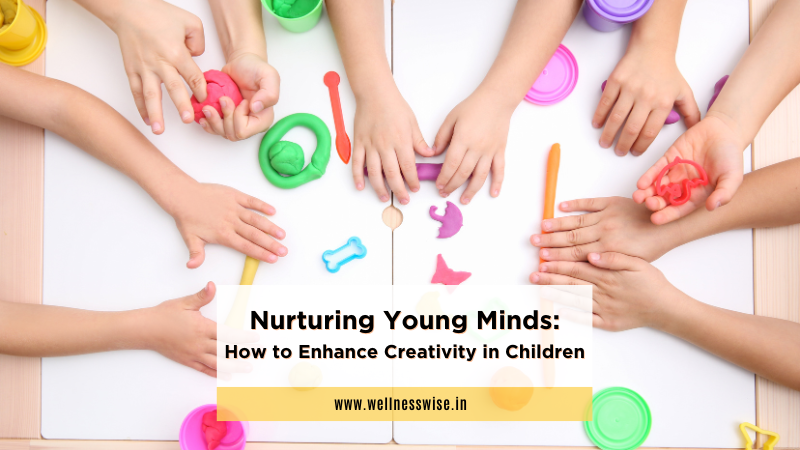
Creative development plays a vital role in a child’s overall growth. From an early age, artistic activities help children explore emotions, build confidence, and develop fine motor skills. Art provides a safe and enjoyable space for self-expression, allowing children to communicate ideas that may be difficult to express through words alone.
As awareness around holistic education grows, parents increasingly recognise the value of encouraging creativity alongside academic learning. Art nurtures imagination, problem-solving skills, and emotional intelligence, all of which contribute to well-rounded development.
Why Creative Activities Matter for Children
Art is more than just drawing or painting. It supports cognitive development by improving focus, planning, and visual thinking. When children experiment with colours, shapes, and materials, they learn to make decisions and adapt creatively.
Creative activities also help children develop patience and resilience. Trial and error are a natural part of the artistic process, teaching children that mistakes are opportunities for learning rather than failures.
In addition, art can be a calming activity that helps children manage stress and emotions. This emotional outlet is particularly valuable in today’s fast-paced learning environments.
Building Confidence Through Artistic Exploration
One of the most powerful benefits of art is confidence building. When children create something of their own, they gain a sense of accomplishment and pride. Encouragement and positive reinforcement help them feel valued and motivated.
Art activities promote independence by allowing children to explore their own ideas. There is no single “correct” outcome, which reduces fear of judgment and encourages exploration. This freedom strengthens self-esteem and nurtures a healthy mindset.
Developing Essential Skills Beyond Art
Creative learning supports skills that extend far beyond art itself. Fine motor development improves through activities such as drawing, cutting, and shaping. Hand-eye coordination and spatial awareness are strengthened through hands-on creativity.
Art also enhances communication skills. Children learn to describe their work, explain ideas, and listen to feedback. Group activities encourage collaboration, teaching children to respect different perspectives and work together.
Problem-solving skills are naturally developed as children decide how to represent ideas, overcome challenges, and refine their creations.
Importance of a Supportive Creative Environment
A nurturing and supportive environment encourages children to explore creatively without pressure. Having access to varied materials and guided activities allows children to experiment safely and confidently.
Structured creativity, combined with freedom of expression, offers balance. Guidance helps children learn techniques and build skills, while open exploration allows imagination to flourish.
Parents who prioritise creative exposure often notice improvements in focus, emotional expression, and confidence across other areas of learning.
Encouraging Creativity at Home
Creativity should extend beyond formal settings. Simple activities at home, such as drawing, crafting, or storytelling, foster consistent engagement. Providing children with time and space to create is more important than achieving perfect outcomes.
Celebrating effort rather than results builds motivation. Displaying artwork or discussing creative choices encourages children to take pride in their work and continue exploring.
When balanced with academic responsibilities, creative activities provide healthy outlets that support overall development.
Many parents exploring creative enrichment opportunities come across Little-Artists in Singapore when seeking environments that encourage imagination, skill development, and artistic confidence in children.
Long-Term Impact of Early Creative Exposure
Creative exposure during childhood lays the foundation for lifelong skills. Children who engage in artistic activities often grow into adults who think creatively, adapt easily, and communicate effectively.
Creativity supports innovation and flexibility, skills that are increasingly valuable in both education and future career paths. Early artistic engagement helps children approach challenges with curiosity rather than fear.
Encouraging creativity also strengthens emotional awareness and empathy, helping children connect more meaningfully with others.
Balancing Creativity and Structure
While free expression is essential, some structure helps children develop discipline and technique. Balanced guidance helps them understand basic principles while still allowing personal interpretation.
This combination supports growth without limiting imagination. Children learn that creativity can be both expressive and purposeful.
Conclusion
Creative development is a vital component of childhood growth. Through artistic exploration, children build confidence, emotional resilience, and essential skills that support both academic and personal success.
By encouraging creativity in a supportive and balanced way, parents help children develop imagination, self-expression, and a lifelong love for learning.
