

If you have started tirzepatide for weight management, one of the first questions you may have is how much weight you can realistically expect to lose each month. Understanding the tirzepatide average weight loss per month can make it easier to set realistic expectations instead of judging your progress by dramatic before-and-after stories online.
Tirzepatide can produce significant weight loss for many eligible patients, but the process usually happens gradually. Your results can change from month to month depending on your starting weight, prescribed dose, treatment duration, appetite, nutrition, physical activity, and individual response to the medication.
RoenRx provides clinician-guided weight-management care for eligible patients using prescription treatment. With professional support, you can focus on your own progress and understand why your results may look different from someone else’s.
How Much Weight Can You Lose With Tirzepatide Each Month
There is no fixed amount of tirzepatide monthly weight loss that applies to everyone. Clinical studies typically report weight loss over longer periods rather than promising a specific number of pounds every month.
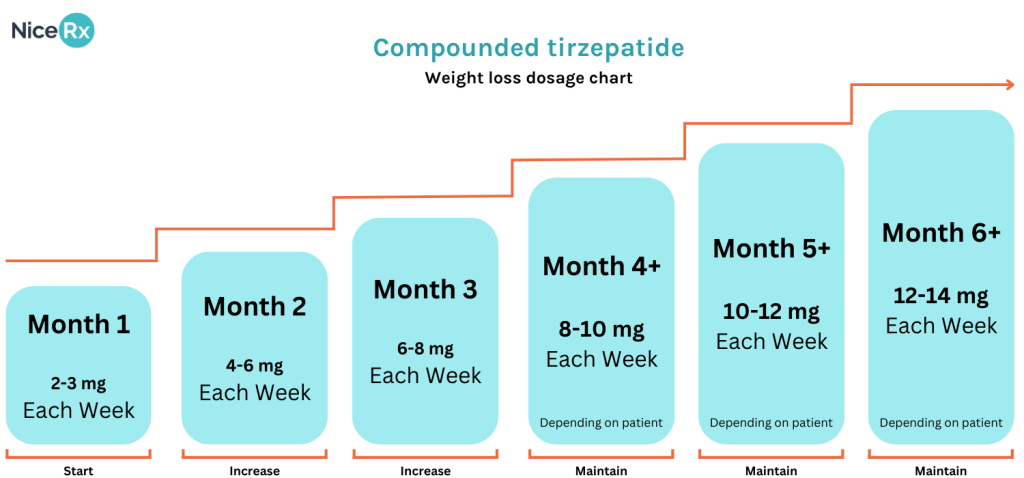
Tirzepatide treatment also starts at a relatively low dose and increases gradually. Because of this, the first month may produce less weight loss than later months. Some people notice appetite changes early, while the number on the scale may change more slowly.
As treatment continues, weight loss can become more noticeable. However, progress is rarely perfectly linear. You may lose several pounds one month and less the next, even when you are following your treatment plan consistently.
Instead of asking whether you are losing a certain number of pounds every month, it can be more useful to monitor your overall trend over several months.

What Does the Tirzepatide Weight Loss Timeline Look Like
A typical tirzepatide weight loss timeline begins with a gradual adjustment period. The starting dose is intended to help your body become accustomed to the medication rather than provide the maximum weight-loss effect immediately.
During the first few weeks, some people experience reduced hunger, earlier fullness, or fewer cravings. Others may notice only modest changes at first. Your healthcare provider can determine when it is appropriate to increase the dose based on your response and tolerability.
Over the following months, weight loss may become more noticeable as treatment progresses. Clinical trials have shown substantial average weight reductions over longer treatment periods, but individual results vary.
The important takeaway is that tirzepatide is intended for ongoing treatment rather than rapid, short-term weight loss. Give your body time to respond before deciding whether the medication is working.
Why Does Tirzepatide Cause Weight Loss
Tirzepatide works differently from traditional weight-loss medications. It activates both GIP and GLP-1 receptors, two pathways involved in appetite regulation, food intake, and glucose metabolism.
One noticeable effect for many people is a reduction in appetite. You may find that smaller portions feel satisfying or that you think about food less frequently. Tirzepatide can also slow gastric emptying, which may contribute to feelings of fullness.
These effects can make it easier to consume fewer calories without relying entirely on willpower or extreme dietary restriction. Over time, reduced energy intake can contribute to weight loss.
However, the medication does not work at exactly the same rate for everyone. Your individual biology and treatment plan can influence how quickly you see results.
Does Tirzepatide Produce the Same Weight Loss Every Month
Not usually. Weight loss tends to fluctuate rather than follow a perfectly predictable monthly pattern.
During one month, you might see a noticeable decrease in body weight. The following month, your progress may slow or temporarily plateau. Changes in water retention, bowel habits, food intake, activity levels, and hormonal factors can all influence short-term scale measurements.
Dose changes can also affect your experience. Since tirzepatide is gradually increased, your appetite and weight-loss response may change throughout treatment.
This is why a single weigh-in does not provide a complete picture. Looking at your weight trend over several weeks or months can give you a more meaningful understanding of your progress.
RoenRx encourages a clinician-guided approach that focuses on sustainable results rather than unrealistic monthly targets.
What Can Affect Your Tirzepatide Weight Loss Results
Several factors can influence tirzepatide weight loss results. Your starting weight is one consideration, while your prescribed dose and treatment duration can also affect the amount of weight you lose.
Your eating pattern matters too. Tirzepatide can reduce appetite, but choosing nutrient-dense foods can help you maintain adequate nutrition while losing weight. Protein-rich foods, vegetables, fruits, whole grains, and appropriate sources of healthy fats can all contribute to a balanced diet.
Physical activity is another important factor. Resistance exercise can help support muscle during weight loss, while regular aerobic activity can benefit cardiovascular health and overall fitness.
Sleep, stress, other medications, underlying health conditions, and adherence to treatment can also influence your progress. Because so many variables are involved, comparing your results directly with another person’s monthly weight loss can be misleading.
How Much Weight Might You Lose in the First Month
The first month can look different from later stages of treatment. Tirzepatide generally begins at a low dose, and the early period is focused partly on helping your body adjust to the medication.
Some people experience a noticeable reduction in appetite during the first month, while others see only modest changes on the scale. Your first month’s results should not be used to predict your final outcome.
It is also important not to increase your dose independently because your initial weight loss seems slow. Tirzepatide dose escalation should follow your healthcare provider’s instructions.
If you are receiving treatment through RoenRx, discuss your early results with your clinician rather than trying to accelerate your treatment on your own.
What Happens During Months Two and Three
By the second and third months, some patients may begin seeing more consistent changes in appetite and body weight. This can happen as the prescribed dose increases according to the treatment plan and the body becomes accustomed to the medication.
However, there is still considerable variation. One person may experience steady monthly weight loss, while another may have a slower response followed by greater progress later.
Your healthcare provider may review your weight trend, side effects, appetite changes, and overall response during this period. These details can help determine whether your current treatment plan remains appropriate.
The goal is not to force the scale downward as quickly as possible. A gradual approach can be more realistic and sustainable.
What About Weight Loss After Six Months
Longer-term treatment provides a better picture of how well tirzepatide is working for an individual. Clinical trials have found significant average weight loss with tirzepatide over extended treatment periods, particularly when combined with lifestyle intervention.
Your results after six months may be very different from your first-month results. Some people continue losing weight steadily, while others experience periods where their weight stabilizes before declining again.
As you lose weight, your body’s energy requirements can change. This may contribute to a slower rate of weight loss over time. A temporary plateau does not automatically mean that your medication has stopped working.
RoenRx can help eligible patients evaluate their progress over time and discuss whether their treatment remains appropriate.
Is Faster Tirzepatide Weight Loss Better
Not necessarily. Losing weight extremely quickly is not always the goal of medically supervised treatment. Your body needs adequate nutrition, hydration, and other support during weight loss.
Trying to accelerate your results by taking more tirzepatide than prescribed can increase the risk of side effects. Dose increases should happen according to your healthcare provider’s treatment plan.
A better measure of success is consistent progress alongside improved health habits and appropriate medical monitoring. Sustainable weight management is more valuable than chasing a specific number on the scale every month.
What Should You Eat While Taking Tirzepatide
Tirzepatide may reduce your appetite, so choosing nutritious foods becomes particularly important. When you are eating smaller portions, those meals should still provide the nutrients your body needs.
Prioritize protein sources such as eggs, fish, poultry, Greek yogurt, beans, lentils, and other suitable options. Vegetables, fruits, whole grains, and healthy fats can help create balanced meals.
Large, greasy meals may be difficult for some people to tolerate and can contribute to gastrointestinal discomfort. Eating slowly and choosing smaller portions may make meals more comfortable.
Your individual nutritional needs can vary, so speak with a healthcare professional if you are struggling to eat enough or experiencing persistent digestive symptoms.
What If Your Tirzepatide Weight Loss Slows Down
A slowdown does not necessarily mean that treatment has stopped working. Weight loss often becomes less predictable as treatment continues, and plateaus can occur.
Start by looking at your progress over a longer period rather than focusing on one or two weeks. Your healthcare provider may also review your medication dose, adherence, nutrition, physical activity, and other factors that could influence your results.
Do not increase your dose simply because your weight loss has temporarily slowed. Your clinician can determine whether a change is medically appropriate.
RoenRx supports patients through clinician-guided weight management, helping them evaluate progress based on the bigger picture rather than short-term fluctuations.
Frequently Asked Questions About Tirzepatide Monthly Weight Loss
What is the tirzepatide average weight loss per month
There is no single monthly average that accurately predicts every patient’s results. Clinical trials generally measure weight loss over longer periods, and monthly progress can vary considerably between individuals.
How much weight can you lose with tirzepatide in one month
The amount varies based on factors including starting weight, dose, treatment duration, lifestyle, and individual response. Early weight loss may also be more modest because treatment starts at a lower dose.
Does tirzepatide work immediately
Tirzepatide can begin affecting appetite relatively early, but meaningful weight loss generally develops over time. The medication is gradually increased, so results should be evaluated over several weeks and months.
When do you see the most weight loss with tirzepatide
Weight loss can continue over an extended treatment period. There is no specific month when everyone experiences their greatest loss because individual responses differ.
Can you lose 20 pounds in a month with tirzepatide
A specific amount of weight loss cannot be guaranteed, and losing weight extremely quickly should not be the target of treatment. Your healthcare provider can help establish a realistic goal based on your individual circumstances.
What happens if tirzepatide weight loss stops
A temporary plateau can occur during weight loss. Your healthcare provider can review your progress, medication regimen, nutrition, activity, and other factors before deciding whether any treatment adjustment is appropriate.
Does everyone lose the same amount of weight on tirzepatide
No. Tirzepatide weight loss results vary from person to person. Clinical trial averages describe groups of participants and cannot guarantee an individual’s outcome.
How RoenRx Supports Your Tirzepatide Weight Loss Journey
Understanding the tirzepatide average weight loss per month can help you set realistic expectations, but your own treatment response matters more than an online average. Weight loss may be gradual, fluctuate between months, or temporarily plateau.
RoenRx provides clinician-guided weight-management care for eligible patients considering prescription treatment. Your healthcare team can help you understand your medication, monitor your progress, address side effects of tirzepatide, and determine whether your treatment plan remains appropriate.
Rather than chasing a specific monthly number, focus on the overall direction of your progress. Consistent treatment, balanced nutrition, physical activity, and professional guidance can create a stronger foundation for sustainable weight management.
Final Thoughts
Tirzepatide can produce substantial weight loss for many eligible patients, but there is no guaranteed amount of weight you will lose each month. The first month may look different from the third, sixth, or twelfth month, and temporary plateaus can happen along the way.
Your tirzepatide weight loss timeline depends on your prescribed dose, starting weight, treatment duration, lifestyle, and individual response. Clinical research provides useful expectations, but your healthcare provider should evaluate your results based on your personal circumstances.
With clinician-guided care from RoenRx, you can track your progress, understand changes in your response, and make informed decisions throughout your weight-management journey.
