

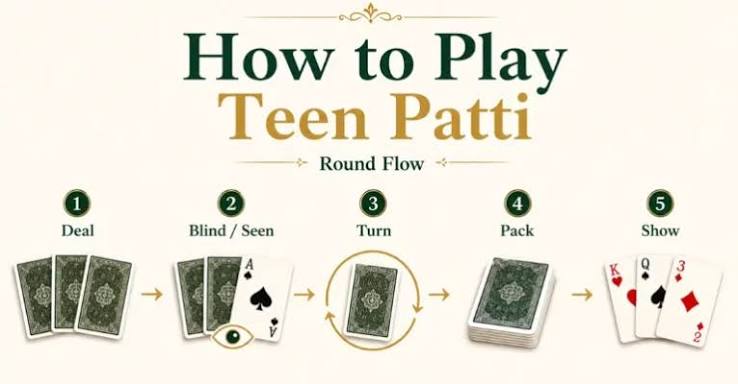
For many players, Teen Patti is tied to warm memories of holidays, relatives and long evenings of friendly competition. The modern app versions aim to preserve that feeling while smoothing out the practical hurdles, from shuffling and dealing to keeping track of the pot. The result is a game that respects its roots and welcomes newcomers at the same time.
Understanding the Odds
Teen Patti mixes luck and skill, and having a rough sense of the odds helps you lean on the skill side. Strong hands like trails and pure sequences are rare, which is exactly why they carry so much weight, while high-card and pair hands appear far more often. Knowing this shapes sensible expectations: most rounds are decided by modest hands and by who bets more convincingly, not by spectacular cards. You do not need to memorise precise probabilities to benefit; simply appreciating that big hands are uncommon will stop you from overvaluing a decent pair or chasing an unlikely sequence. That grounded perspective keeps your betting realistic and your decisions steadier over the long run.
For step-by-step guidance, the Teen Patti Gold hub covers the essentials clearly.
Playing Responsibly
A healthy relationship with Teen Patti starts with a few simple boundaries. Decide in advance how much time and how many chips you are happy to spend, and honour those limits even when a session is going well. The point of the game is enjoyment, and that enjoyment fades fast if play becomes a source of stress. Pausing between rounds helps you stay clear-headed, and walking away after a rough patch is almost always wiser than pushing on to break even. Treating Teen Patti as a pastime rather than a pursuit keeps it in its rightful place: a source of fun, friendly competition and the occasional satisfying win.
Why Table Position Matters
Position is an underrated factor in Teen Patti. Acting later in the betting order gives you the advantage of seeing how others have played before you commit, which is valuable information. A player in a late seat can fold marginal hands cheaply when the table shows strength, or apply pressure when everyone else looks hesitant. Early positions, by contrast, demand more caution because you are acting with less to go on. Beginners often overlook this dynamic, focusing solely on their own three cards, but paying attention to where you sit relative to the action can meaningfully improve your decisions. Small edges like this accumulate over many hands into a noticeable difference in results.
Why Learning the Basics First Matters
Rushing into Teen Patti without grasping the basics is a common temptation, and usually a costly one. The game moves quickly, and a player who is still unsure which hand beats which will struggle to make good decisions under pressure. Spending a little time up front on the rules, the rankings and the flow of betting removes that handicap entirely. Practice tables are perfect for this, offering a stakes-free space to cement your understanding. Those who lay this groundwork tend to enjoy the game far more, because they can focus on strategy and reading opponents instead of fretting over the mechanics. A strong foundation turns a confusing hobby into a confident one.
Final Thoughts
Teen Patti endures because it offers something for everyone: quick fun for the casual player and genuine depth for those who want to improve. Whether you are learning the rankings for the first time or refining your bluffing, the game rewards curiosity and patience in equal measure. Start slow, stay disciplined, and enjoy the process of getting better one hand at a time.
